
Artificial Intelligence (AI) has quietly taken center stage in our daily lives, but nowhere is its presence more tangible—and transformative—than in home entertainment. The living room, once dominated by bulky TVs and remote controls, has evolved into a dynamic digital ecosystem where AI gadgets redefine how we relax, connect, and experience media.
From smart assistants that anticipate our needs to AI-powered cameras that personalize streaming experiences and sensors that make our environments responsive, home entertainment is undergoing a revolution. Let’s explore how these innovations are reshaping the way we consume content, interact with technology, and live within our connected spaces.
The Rise of AI in Home Entertainment
Home entertainment has always been a reflection of technological progress—from radio to television, from DVD players to streaming services. But with the arrival of AI, entertainment is no longer static or one-size-fits-all. Today’s systems learn from behavior, recognize preferences, and adapt in real time.
Artificial Intelligence has moved beyond being a buzzword; it’s now the invisible orchestrator behind seamless experiences. Whether it’s your TV recommending the next show based on your mood or your smart speaker dimming the lights when it senses movie time, AI has become the director of your home’s entertainment scene.
From Passive Consumption to Interactive Engagement
In the past, entertainment was something we consumed. Now, it’s something we co-create with the help of AI. Voice assistants like Amazon Alexa, Google Assistant, and Apple’s Siri don’t just respond to commands—they create a dialogue between users and devices. This interactive layer has blurred the lines between human intention and machine response.
The result? A highly personalized and immersive entertainment environment where AI learns our rhythms and preferences to deliver content that feels tailor-made.
AI-Powered Cameras: Smarter Visuals, Personalized Content
Cameras have evolved from simple recording tools into intelligent sensors capable of understanding and responding to context. In entertainment, this translates into experiences that are not only high-quality but also adaptive.
1. Gesture Recognition and Immersive Control
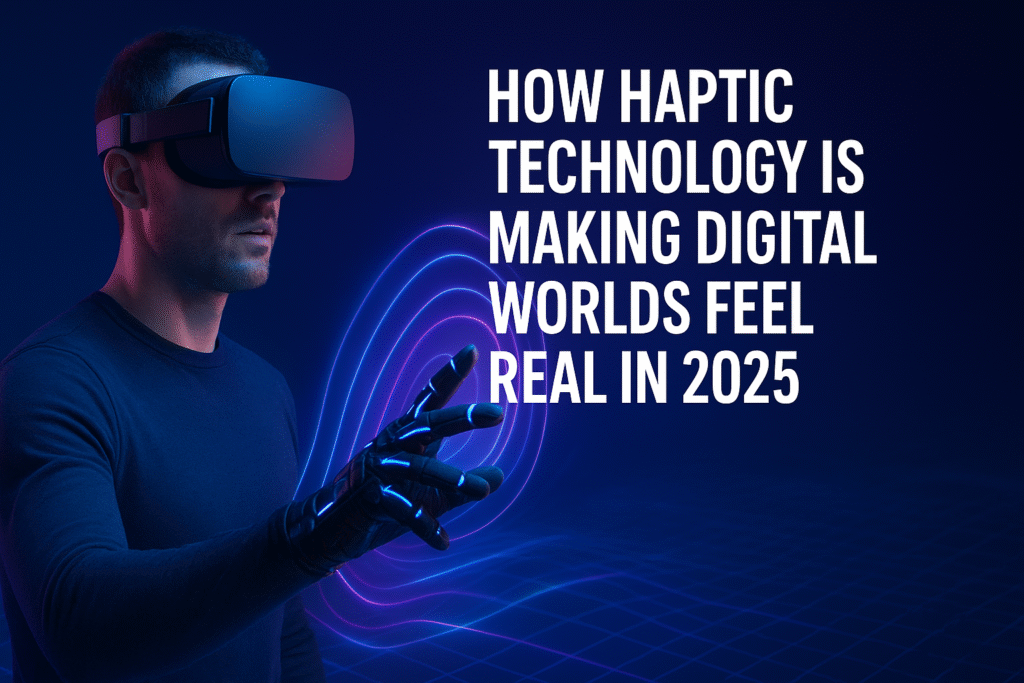
AI cameras can interpret gestures and body movements, enabling users to control games, music, or even streaming apps without a physical remote. Systems like Microsoft’s Kinect or newer smart TVs with integrated gesture recognition show how visual interfaces are becoming a norm in modern homes.
Imagine pausing your movie with a wave of your hand or skipping a song with a simple motion—these small interactions make entertainment feel futuristic and natural.
2. Audience Detection and Adaptive Playback
AI cameras can detect who is watching and adjust playback preferences accordingly. For example, a family TV may automatically switch to child-friendly content when kids are detected or offer personalized show recommendations when adults are present.
Some smart displays even adjust screen brightness, sound levels, and image tones depending on room lighting and viewer proximity. These micro-adjustments, though subtle, create a more comfortable and energy-efficient experience.
3. Enhanced Security Meets Entertainment
Interestingly, the same cameras used for entertainment can double as home security systems. Devices like Google Nest Hub Max or Amazon Echo Show integrate entertainment with surveillance, allowing users to monitor their homes while streaming music or video. This dual purpose makes AI cameras both functional and indispensable in connected homes.
Smart Assistants: The Heart of AI-Driven Entertainment
If cameras are the eyes of the smart home, then voice assistants are its voice and brain. Smart assistants like Alexa, Google Assistant, and Siri have become the central hubs that coordinate other devices, simplifying complex interactions into simple voice commands.
1. Personalized Entertainment Curation
AI assistants can access data from multiple platforms—Spotify, Netflix, YouTube, or even your local media server—to recommend content that fits your taste. Over time, they learn your preferences and daily habits, suggesting playlists or shows that align with your current mood or schedule.
For instance, after a long workday, your assistant might automatically queue up a relaxing music playlist, dim the lights, and adjust the room temperature—all without you lifting a finger.
2. Voice as the Universal Remote
The modern smart home is filled with devices, and managing them manually can become overwhelming. Voice control simplifies this chaos. You can now say, “Alexa, start movie night,” and instantly trigger multiple actions: your TV switches to your preferred streaming service, the curtains close, lights dim, and your surround sound system activates.
3. Seamless Integration Across Platforms
One of the most impressive features of AI assistants is their growing interoperability. The introduction of the Matter standard—a universal smart home connectivity protocol—means that devices from different manufacturers can communicate effortlessly. This allows for smoother experiences, where your Samsung TV, Philips Hue lights, and Amazon Echo all work together.
Smart Sensors: The Invisible Architects of Experience
Sensors may not get the same spotlight as assistants or cameras, but they play an equally vital role in redefining entertainment. These small, often invisible components act as the sensory system of your home, detecting motion, sound, temperature, and even air quality to optimize your experience.
1. Adaptive Lighting and Sound Environments
AI-driven sensors can adjust lighting intensity based on what’s happening on screen. During a movie, for example, ambient lights might dim or shift color to match the tone of the scene. Similarly, sound sensors can detect ambient noise levels and automatically adjust the speaker volume to maintain clarity without becoming intrusive.
This fusion of environmental awareness and entertainment creates an immersive, theater-like atmosphere right at home.
2. Emotion Recognition and Mood Adaptation
Advanced AI systems now incorporate emotion recognition, using data from facial expressions, tone of voice, or even movement to gauge mood. When linked with entertainment systems, this allows for automatic mood-based adjustments. If you appear stressed, your system might play calming music; if you’re energetic, it might suggest upbeat tracks or active games.
3. Energy Efficiency Through Smart Automation
Sensors also help reduce power waste by automatically turning off devices when rooms are unoccupied or when you fall asleep while streaming content. This combination of entertainment and efficiency not only enhances convenience but also contributes to sustainable living.
The Synergy Between Devices: Building a Connected Ecosystem
The true power of AI in home entertainment lies in its integration. Cameras, assistants, and sensors don’t work in isolation—they collaborate. For instance:
- Scenario 1: The camera detects you entering the living room → the assistant activates your favorite playlist → sensors adjust lighting and temperature to your comfort level.
- Scenario 2: The assistant notices your regular gaming schedule → sensors prepare the optimal lighting environment → your AI camera enables motion controls and monitors posture for comfort.
This synergy represents the next phase of smart living: entertainment that feels effortless and almost anticipatory.
Challenges and Considerations
Despite its promise, AI-driven entertainment raises some valid concerns:
1. Privacy and Data Security
As devices become more intelligent, they also become more data-hungry. AI cameras and assistants rely on personal data to function effectively. Users must remain vigilant about what data is being collected and how it’s stored. Leading companies are addressing these concerns through on-device processing and advanced encryption.
2. Interoperability and Compatibility
While standards like Matter are improving compatibility, not all devices communicate seamlessly. Consumers may face frustration if their chosen gadgets don’t integrate well.
3. The Human Element
AI’s predictive power can sometimes lead to over-automation. Entertainment should still allow for human spontaneity and discovery rather than confining users to algorithmic comfort zones.
Looking Ahead: The Future of AI-Driven Entertainment
We’re only scratching the surface of what AI can do for home entertainment. Emerging trends suggest even more advanced integrations, such as:
- AI-Powered Storytelling: Interactive movies or shows that adapt plotlines based on viewer reactions.
- Immersive Virtual Spaces: Combining AI with AR/VR to create fully interactive, personalized entertainment environments.
- Predictive Home Orchestration: Systems that anticipate entertainment choices based on biometric signals, daily schedules, or emotional states.
In essence, the future of entertainment won’t just be about content—it will be about context. AI will continue to refine not only what we watch or listen to but also how we experience it.
Conclusion: A New Era of Intelligent Entertainment
AI gadgets—cameras, assistants, and sensors—are not merely upgrades; they represent a fundamental shift in how we experience entertainment. The home is transforming from a passive space into an intelligent, responsive ecosystem that adapts to our moods, behaviors, and desires.
In this AI-driven era, entertainment is no longer about pressing play—it’s about coexisting with technology that understands us. The result is a seamless, human-centric experience where every sound, light, and frame feels intentional.
As innovation continues, one thing is clear: the smartest homes won’t just entertain us—they’ll know us.