The New Frontier of Emotional Awareness
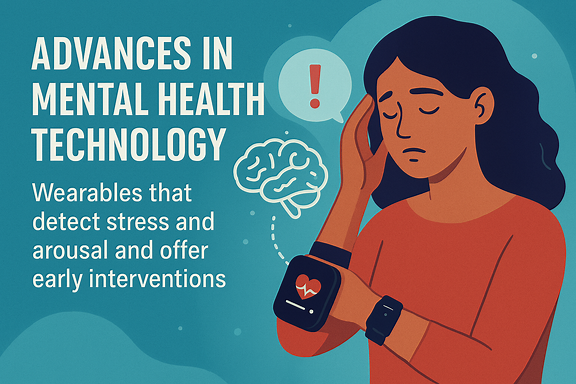
Mental health technology is evolving faster than ever, and one of the most transformative innovations in 2025 is wearable devices that can detect stress and emotional arousal in real time.
These smart tools are no longer limited to counting steps or tracking heart rates — they now analyze physiological signals to sense subtle emotional shifts, predict episodes of anxiety, and even offer instant interventions before symptoms escalate.
As the world becomes more fast-paced and digitally connected, the integration of mental health monitoring into everyday wearables is redefining how we approach wellness — not reactively, but proactively.
From Fitness Trackers to Emotional Monitors
The early generations of wearables focused primarily on physical fitness — measuring sleep, calories, steps, and exercise intensity.
But now, the focus is shifting toward mental and emotional well-being.
Companies like Apple, Fitbit (Google), and Samsung, as well as emerging startups such as Emotiv, BioBeats, and Feel Therapeutics, are pioneering wearable biosensors capable of analyzing physiological markers such as:
- Heart rate variability (HRV) – A key indicator of stress and autonomic nervous system balance.
- Skin conductance (GSR) – Detects changes in sweat gland activity linked to arousal.
- Cortisol levels (via micro-sensors) – Measures biochemical stress responses.
- Respiration rate – Reflects emotional regulation and calmness.
- Body temperature and micro-tremors – Subtle indicators of anxiety or emotional distress.
Together, these metrics allow wearables to build a digital picture of your emotional state throughout the day, creating what researchers call an “emotional fingerprint.”
AI at the Core: How Smart Algorithms Understand Emotions
The real magic of these new wearables lies in their AI-driven analytics.
Machine learning models interpret biosensor data in context — understanding not only what is happening in the body but why it might be happening.
For instance, your device might detect:
- Elevated skin conductance
- A rapid heart rate
- Short, shallow breathing
Combined, the system can infer that you’re experiencing stress or heightened arousal — perhaps during a tense meeting, an argument, or even while scrolling social media.
Contextual Intelligence
Modern wearables go beyond numbers. By integrating with smartphones and digital calendars, they can contextualize stress events:
- Were you in a meeting?
- Did you receive a stressful email?
- Were you exposed to loud noise or crowded environments?
This context-aware AI makes the device’s insights more actionable. Instead of just saying “You’re stressed,” it might notify you:
“Your stress level has increased during your last 30 minutes of work. Try taking a 5-minute breathing break.”
Early Interventions: The Rise of Digital First Aid for the Mind
The most promising feature of modern mental health wearables is their capacity for early intervention.
When stress or anxiety levels spike, the devices can automatically activate supportive responses, such as:
- 🧘 Guided breathing exercises through vibration or voice.
- 🎵 Adaptive music therapy that syncs with your heartbeat.
- 🌬️ Mindfulness reminders or short cognitive reframing sessions.
- 🕯️ Biofeedback prompts that teach users to regulate emotional responses.
- 📱 Automatic notifications to mental health apps or therapists (if user consent is given).
This means that instead of realizing you’re overwhelmed after a stressful day, your wearable can intervene in the moment, helping you calm down before emotional or physical burnout sets in.
Scientific Validation: From Research Labs to Daily Life
Recent studies in neurotechnology and affective computing have demonstrated strong correlations between biosignals and psychological states.
For example, researchers at MIT Media Lab and Stanford’s Human Performance Lab have shown that:
- HRV and GSR patterns can accurately predict stress episodes up to 30 minutes before they’re consciously felt.
- Continuous tracking can help users improve emotional regulation over time.
- Wearables integrated with AI coaching apps reduce anxiety symptoms by up to 35% in controlled trials.
These results are inspiring major investments in emotion-aware devices, bridging the gap between psychology, data science, and consumer technology.
The New Ecosystem: Platforms and Partnerships
In 2025, tech giants and healthcare companies are collaborating to make emotional wearables part of the broader wellness ecosystem.
Some notable partnerships include:
- Apple + UCLA’s Depression Research Initiative: Using Apple Watch data to identify early signs of depression and anxiety.
- Fitbit + Calm: Integrating stress tracking with mindfulness sessions.
- Emotiv + Mindstrong Health: Combining brainwave analysis with digital therapy.
- Samsung + WHO Digital Health Unit: Supporting early mental health detection in emerging markets.
This convergence between hardware, AI, and clinical research signals a shift from consumer gadgets to medically validated mental health tools.
Challenges and Ethical Considerations
Despite the progress, emotional wearables also raise important ethical and privacy concerns.
1. Data Sensitivity
Biosignals related to emotions are among the most personal types of data.
There are growing debates about who owns emotional data — the user, the manufacturer, or healthcare providers?
2. Algorithmic Bias
If AI models are trained on limited datasets, they may misinterpret stress signals across different populations, leading to unreliable insights.
3. Over-Reliance on Devices
There’s also the psychological risk of outsourcing self-awareness to machines — relying too heavily on gadgets to interpret emotions instead of developing internal coping mechanisms.
4. Mental Health vs. Medical Diagnosis
Most wearables are not yet approved as diagnostic tools. Their role is preventive and supportive, not a substitute for professional care.
To address these issues, many manufacturers now follow strict anonymization protocols and seek regulatory certifications like FDA Digital Health Clearance or EU MDR compliance.
The Future: Emotional AI and Personalized Wellbeing
Looking ahead, mental health technology is heading toward hyper-personalization.
Tomorrow’s wearables may include:
- Nano-sensors embedded in clothing or smart jewelry that blend seamlessly with fashion.
- AI companions that adapt interventions based on your emotional history.
- Haptic feedback systems that deliver calming sensations during stress spikes.
- Brain-computer interfaces (BCIs) capable of detecting mood shifts from neural activity alone.
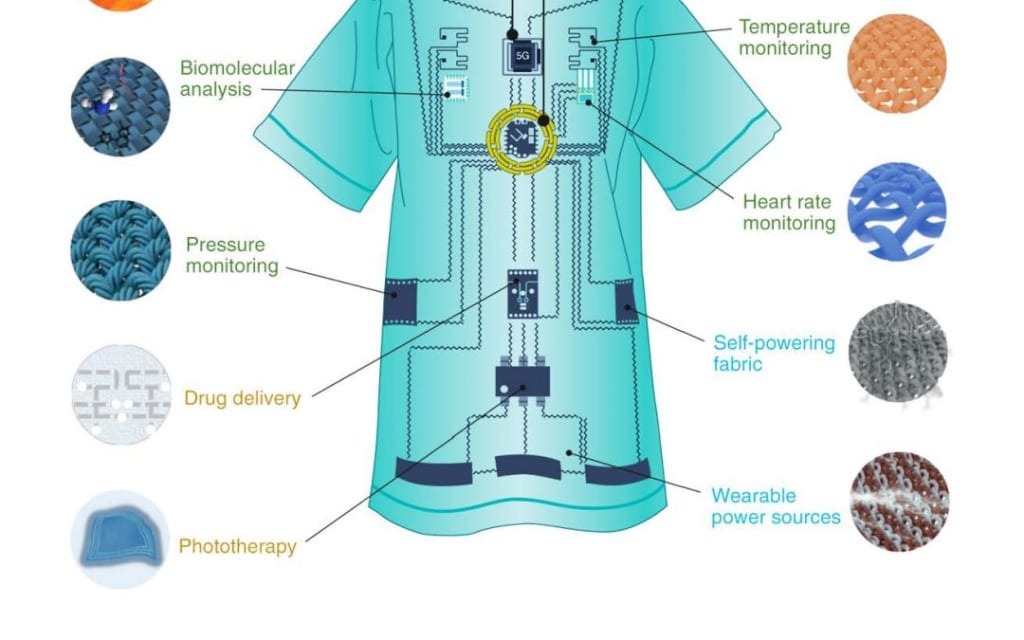
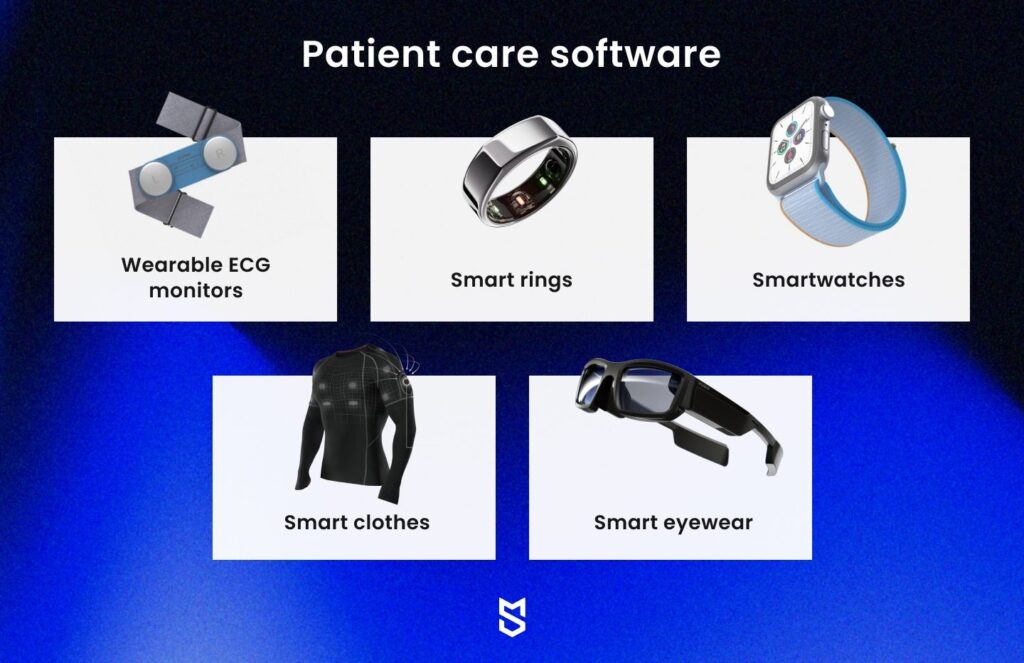
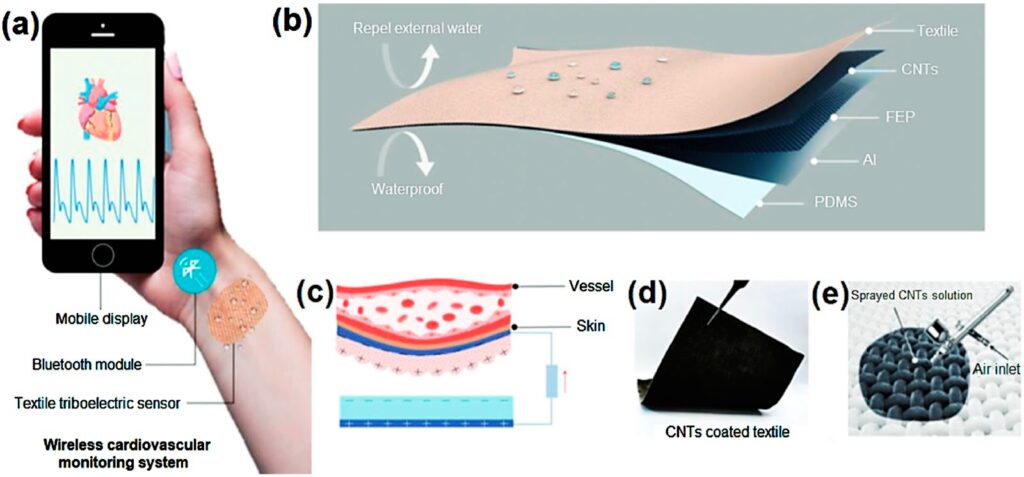
Imagine your smart shirt detecting anxiety during a presentation and automatically dimming your smartwatch screen, lowering notifications, and cueing your favorite relaxing playlist.
That’s not science fiction anymore — it’s the next evolution of ambient emotional intelligence.
A New Era of Preventive Mental Health
In a world where burnout and anxiety have become global epidemics, real-time mental health monitoring could be the key to prevention rather than crisis management.
By combining AI, biosensing, and compassionate design, wearables are transforming from passive trackers into active partners in emotional well-being.
They don’t just measure how we live — they help us live better.
Conclusion: Technology That Feels You
The intersection of technology and psychology is entering an unprecedented phase — one where devices don’t just see or hear us but actually feel us.
These wearables embody a powerful promise:
To detect distress before it becomes overwhelming, to nudge us toward balance, and to empower everyone to understand their mental health — not as a stigma, but as a spectrum we can learn to navigate.
As we move deeper into the age of ubiquitous computing and emotional AI, mental health technology will not just change how we heal — it will change how we feel.