In 2025, we’re standing at an intersection of two powerful forces: the accelerating adoption of artificial intelligence (AI) across consumer tech, and the urgent global push for sustainability and circular-economy thinking. According to recent reports, AI-driven devices and ecosystems are not only becoming more mainstream, but also subject to growing scrutiny for their environmental footprint. mckinsey.com+3xcubelabs.com+3santaluciaimpulsa.es+3
If you’re in the market for your next gadget—whether it’s a smart home hub, wearable, personal assistant robot or IoT sensor—this guide will equip you with a practical, step-by-step framework to choose a device that is:
- designed for sustainability (materials, lifecycle, energy usage)
- compatible and future-ready for the AI ecosystems of 2025
- aligned with your values (eco-impact, capabilities, interoperability)
Let’s dive in.
1. Why sustainability + AI compatibility matter in 2025
AI’s environmental footprint is real
While AI offers powerful new capabilities, it also comes with an environmental cost—data centres running AI workloads use large amounts of energy and water, and consumer electronics add to e-waste. Wikipedia+1
Meanwhile, sustainability technologies (sometimes called “greentech”) are emerging as a major trend in 2025. For example, one analysis highlights “Greentech or climate technology as a priority” among the main tech trends of 2025. santaluciaimpulsa.es+1
AI-enabled devices breed ecosystems
In 2025, AI isn’t just a feature—it’s the ecosystem. From agentic AI systems to vertical-AI agents built into hardware and software, the strategy is shifting from standalone AI features to integrated, always‐on intelligence. xcubelabs.com+1
For a gadget to be future-proof, it should play nicely in that ecosystem: accept updates, integrate with services, interoperate with other devices, and leverage smart decision-making rather than being a one-off novelty.
The sustainability + AI sweet spot
Imagine a smart speaker that learns your patterns (AI) and uses recycled materials, low-power mode, and is repairable (sustainability). That’s the sweet spot. By consciously choosing devices that tick both boxes, you get functionality and responsibility—and you avoid being locked into tech that’s outdated or ecologically wasteful.
2. The smart buyer’s checklist: What to evaluate
Here’s a detailed checklist you can follow when evaluating your next sustainable, AI-ecosystem compatible gadget.
2.1 Materials & manufacturing
- Check whether the device uses recycled or responsibly sourced materials (for example, post-consumer plastic, aluminium, minimal rare-earth elements).
- Look for certifications or commitments: e.g., carbon neutral manufacturing, circular economy design, full lifecycle transparency.
- Prioritize companies that support repair, modular upgrades or long-term firmware support (reducing premature obsolescence).
2.2 Energy efficiency & lifecycle mode
- Does the gadget support low-power modes, sleep/standby optimization, or off-peak AI processing? Some sustainable-tech sources highlight real-time AI optimisation to reduce energy use. getloopos.com+1
- Consider software-update longevity: devices with a longer update horizon reduce the need to replace hardware prematurely.
- Check for recycling programmes or trade-in/refurbished offers by the manufacturer.
2.3 AI ecosystem compatibility
- Ensure the device supports the major platforms or ecosystems you use (e.g., voice assistants, smart-home hubs, IoT frameworks).
- Confirm that it has interoperability—open APIs, standards like Matter, or integrations with multiple AI/IoT devices.
- Verify that the manufacturer emphasizes future-proofing: regular firmware updates, compatibility with emerging agents or multi-device coordination.
- Look for edge-processing or on-device AI (rather than cloud-only) if you value privacy, latency and lower energy usage.
2.4 Data, privacy & ethical AI
- With AI in play, evaluate how your data is handled: Is the manufacturer transparent about data collection, model training, and opt-out options?
- Prefer devices where AI features are explainable and controlled—you should be able to switch off or customise AI behaviour.
- Sustainability also means ethical tech: select brands that commit to responsible AI governance, fairness, bias mitigation and long-term support. santaluciaimpulsa.es+1
2.5 Value & ecosystem coherence
- Think of the gadget as part of a system, not an isolated toy. Does it integrate or scale? Can you add sensors, accessories or link it with other devices?
- Assess total cost of ownership: power consumption, maintenance, upgrade path, downtime, repairability.
- Ask: “Will I still be able to use this 3-5 years from now with minimal waste or forced replacement?”
3. Five gadget categories worth your attention (and what to watch)
Here are some common gadget types in 2025 along with tips on what to emphasise.
3.1 Smart home hubs & assistants
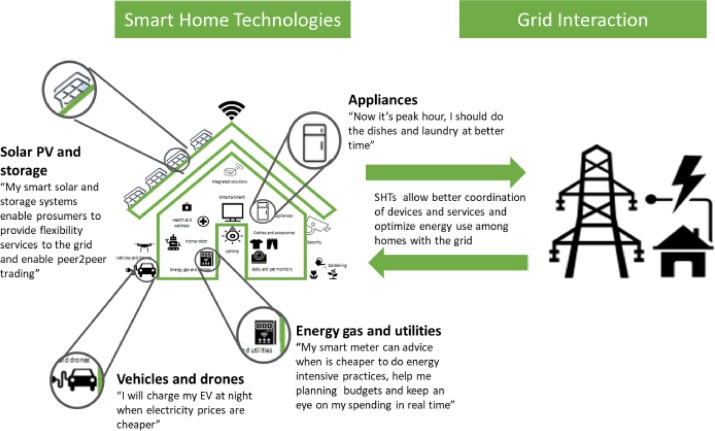
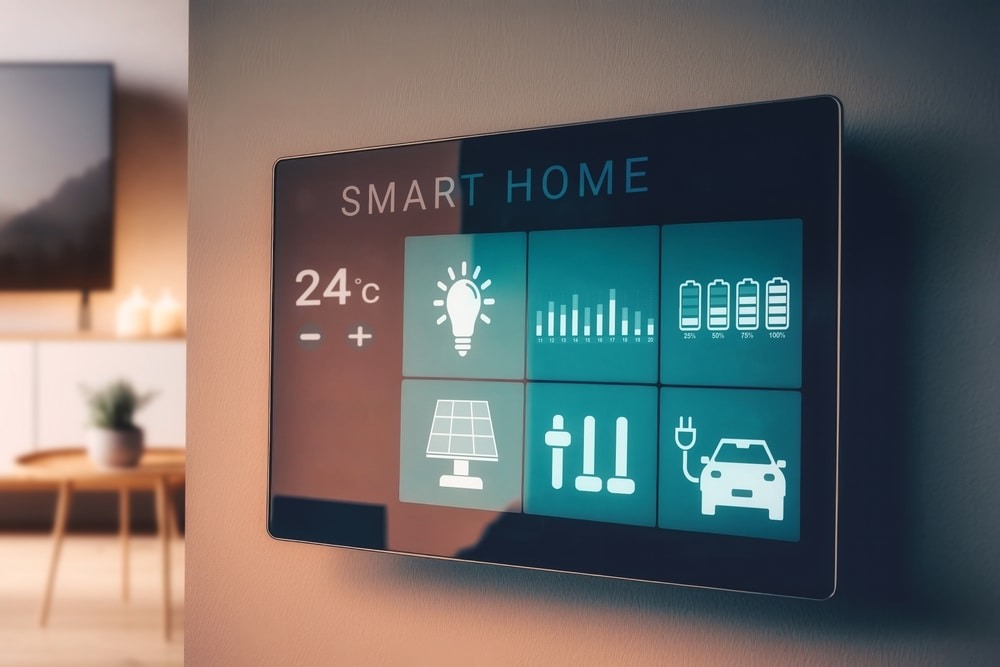

- These central devices often control heating, lighting, security, voice assistant and IoT connectivity.
- Emphasize: low standby draw, open ecosystem (so you aren’t locked into a single vendor), modular accessories, repairability.
- Example: a smart thermostat that adjusts based on AI-detected occupancy and temperature patterns and uses recycled plastics or has end-of-life recycling options.
3.2 Wearables & personal AI devices
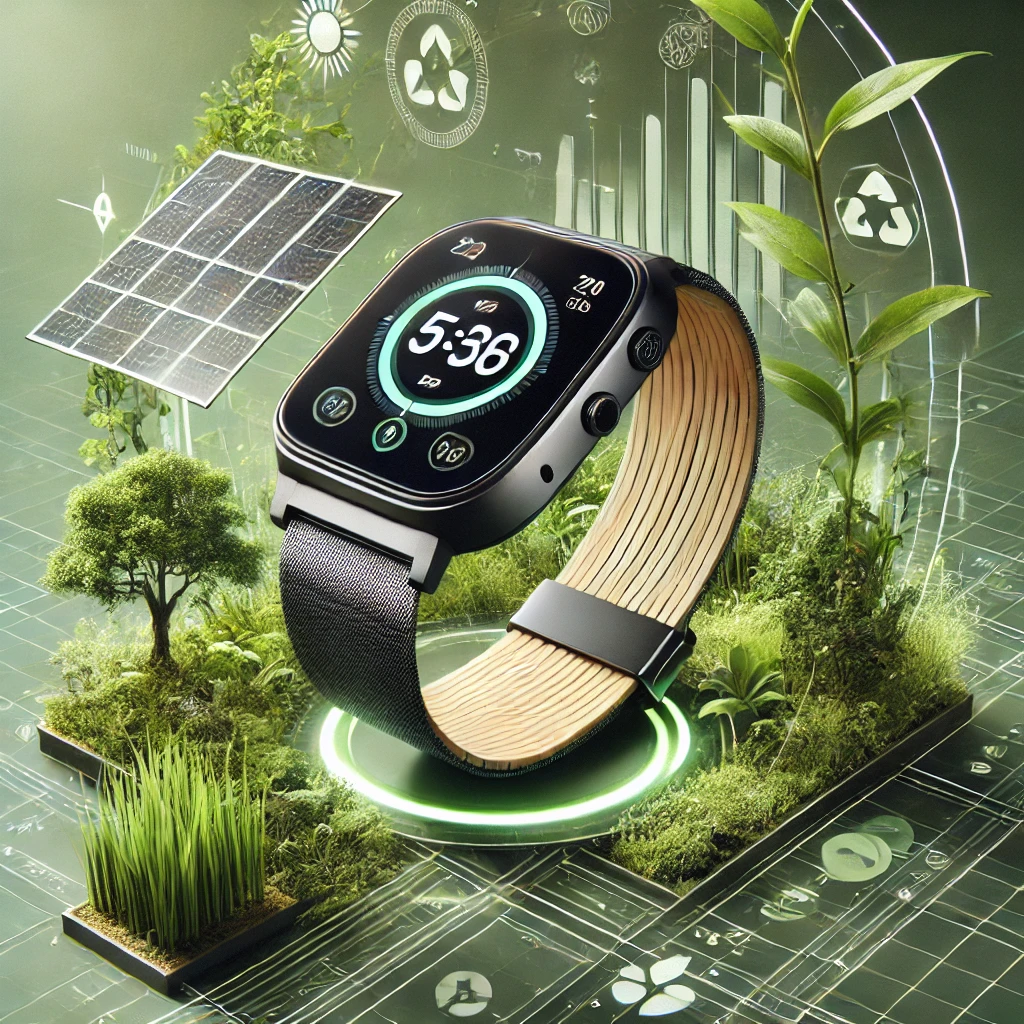
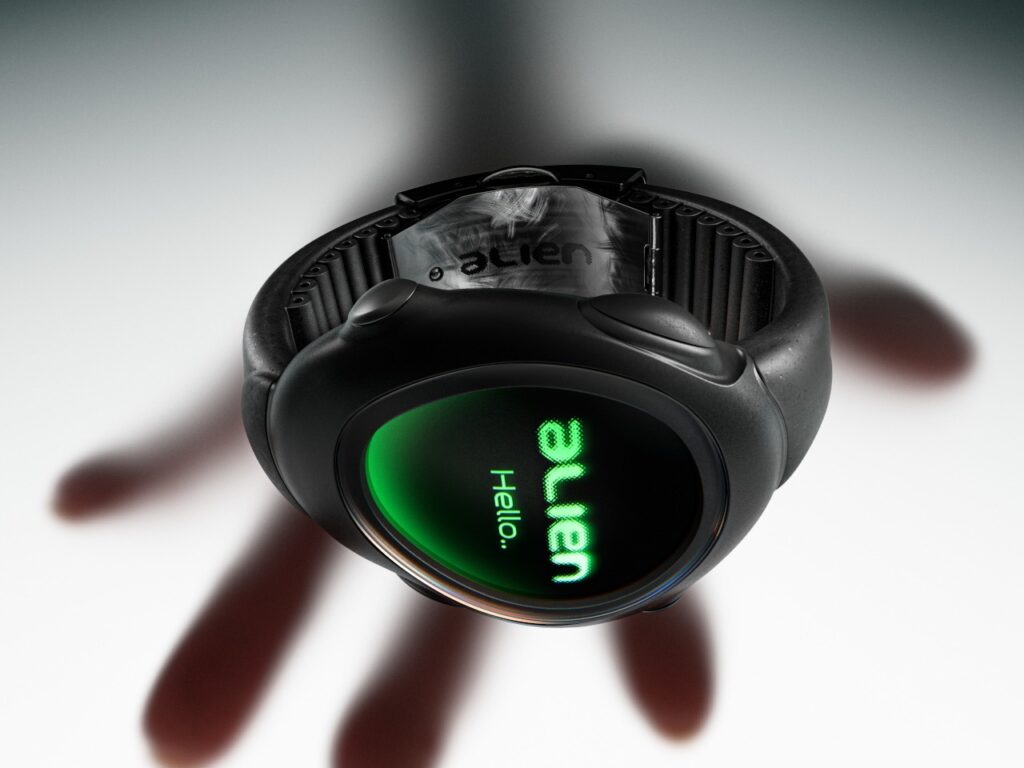

- Wearables are highly personal and thus interface-rich; they’re perfect for AI-driven personalization but also pose sustainability challenges (small batteries, frequent upgrades).
- Emphasize: battery replaceable or long-life design, recycled or modular parts, matured AI feature-set not just novelty, interoperability with other devices/apps.
3.3 Smart appliances & IoT sensors


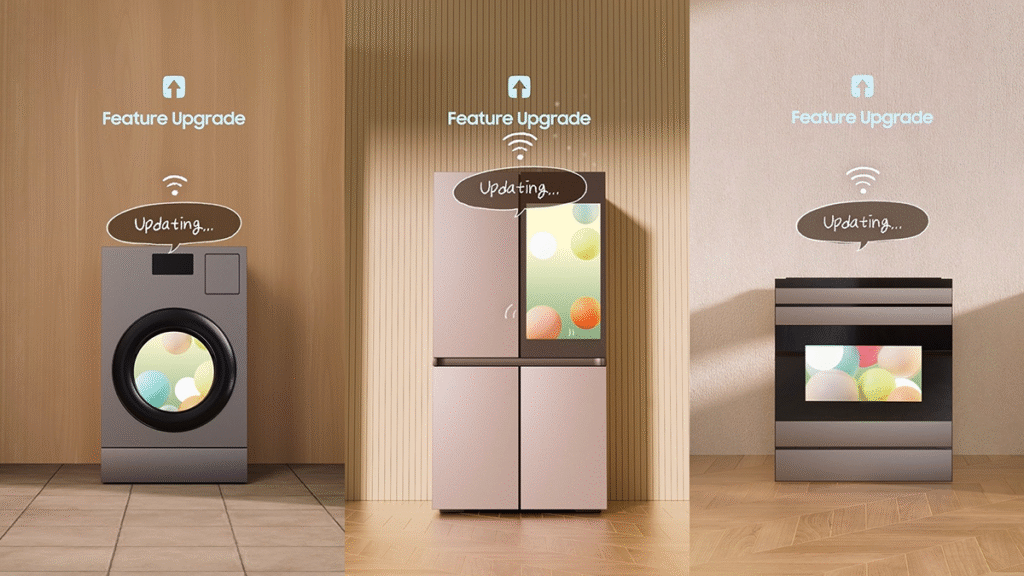
- From washers that optimize water use to fridges that reorder food, these devices benefit heavily from AI.
- Emphasize: energy-star or equivalent certifications, over-the-air (OTA) update support, sustainable supply chain, integration with wider smart-home AI.
- Put special focus on expandability—as sensor and AI networks grow around your home, you’ll want future devices to plug in seamlessly.
3.4 Modular/Repairable Computing Devices



- While “gadgets” often mean smaller devices, computing devices (tablets, laptops) are increasingly part of AI ecosystems.
- Emphasize: modular design, long warranty and firmware support, compatibility with AI toolchains, use of recycled materials or remanufactured parts.
- Example: brands that explicitly design for “right to repair”, component upgrades and minimize e-waste.
3.5 Smart mobility & personal transport gadgets
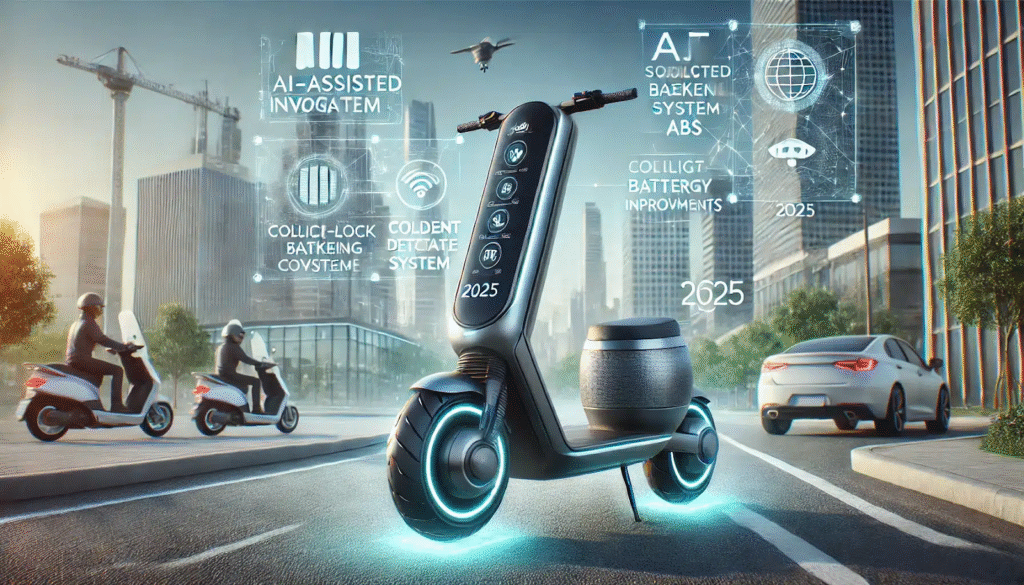
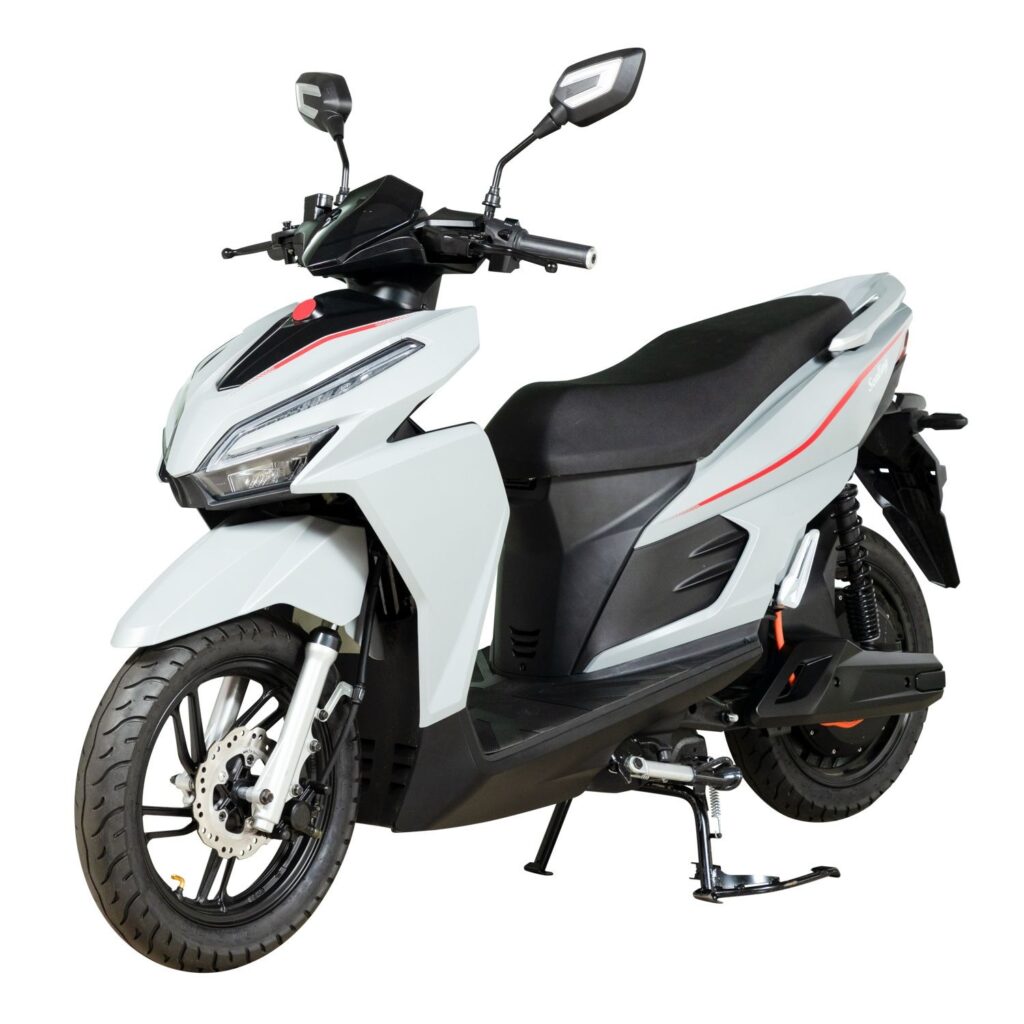

- Mobility gadgets (e-bikes, electric scooters, smart helmets) are increasingly equipped with AI for safety, route optimization, smart locking/anti-theft, and integration into smart-city systems.
- Emphasize: energy-efficient battery systems, upgradable firmware, repair ecosystems, recyclability, sharing economy compatibility (if applicable).
- Make sure the device connects to your home/AI ecosystem (for notifications, location sharing, integration with smart home).
4. Avoiding common pitfalls
- Gadget hype without sustainability: Many devices tout “AI features” but ignore material or lifecycle impact. Prioritize proven sustainability credentials.
- Lock-in ecosystems: If a device only works in a closed system, you might end up forced into replacement or vendor lock-in.
- Short update horizon: A device that only gets 1-2 years of updates is less sustainable than one built for 5+ years of service.
- Hidden energy drain: Smart devices can sit idle but still draw power; check standby consumption and whether AI processing can occur on-device or off-peak.
- No real repair or recycling path: The sustainability promise falls flat if the device becomes e-waste quickly or lacks a vendor programme for disposal or refurbishment.
5. Making your decision: A practical step-by-step flow
- Define your need – e.g., “I want a smart home hub”, or “I want a wearable that tracks health/AI insights”.
- Set your sustainability threshold – for example: > 50% recycled materials, > 5 year firmware support, modular upgrades, or energy draw below X W.
- Check ecosystem compatibility – does it connect to your voice assistant, smart home protocol, or AI platform?
- Compare candidates – review product specs, sustainability credentials (report, certification), user reviews, firmware update policy.
- Evaluate total cost of ownership – not just initial price; include energy consumption, accessories/expansions, expected lifespan, repairability.
- Make the purchase – prioritise a vendor with strong support, transparent sustainability policy, and no high switching cost.
- Register and enable updates – after purchase, register the device, enable firmware updates, join the vendor’s sustainability or recycling program.
- Use smartly – adjust settings to maximise efficiency (e.g., sleep modes, AI-based optimization), and plan for future device reuse or recycling.
6. Future-looking: What to expect beyond 2025
Given current trends, you can expect the following developments in the next few years:
- Agentic AI devices: gadgets will increasingly act autonomously and coordinate with other devices rather than waiting for user input. xcubelabs.com
- Green AI and edge processing: more devices will process AI locally (edge) rather than rely on cloud, reducing latency but also energy/water use. Abilytics+1
- Circular-economy hardware models: more manufacturers will shift to modular, refurbishable and recyclable designs—longer lifespans will become a key selling point.
- Smart ecosystems for sustainability: AI will be used not only for convenience, but also for monitoring and optimising environmental impact (energy, material utilisation, e-waste) across devices.
- Consumer awareness & regulation: As consumers become more aware of gadget’s ecological footprint, and regulators require transparency (e.g., carbon-footprint labelling, right to repair), sustainability will move from optional to mandatory.
7. Summary: Your takeaway
In short: when shopping for your next gadget in 2025, don’t just ask “What cool AI features does it have?” — ask “How sustainable is it? And how well will it join my AI ecosystem for years to come?”
Use the checklist above to evaluate materials, energy, repairability, ecosystem compatibility and total lifespan. Streams of innovation in AI and greentech are converging now—your next device can lean into both. If you buy wisely, you’ll get performance, integration and peace of mind that your gadget aligns with a sustainable future.
8. Final thoughts
The tech world is evolving faster than ever. While features matter, the long-term impact of what we buy also matters. By choosing gadgets that combine AI-readiness and sustainability, you position yourself not just for the next one-to-two years, but for the full life-span of your tech ecosystem.
Remember: the best gadget is the one that still works well in 5 years, uses minimal resources, connects smoothly with your other devices, and doesn’t end up as waste.
Here’s to smarter, greener gadget choices in 2025.