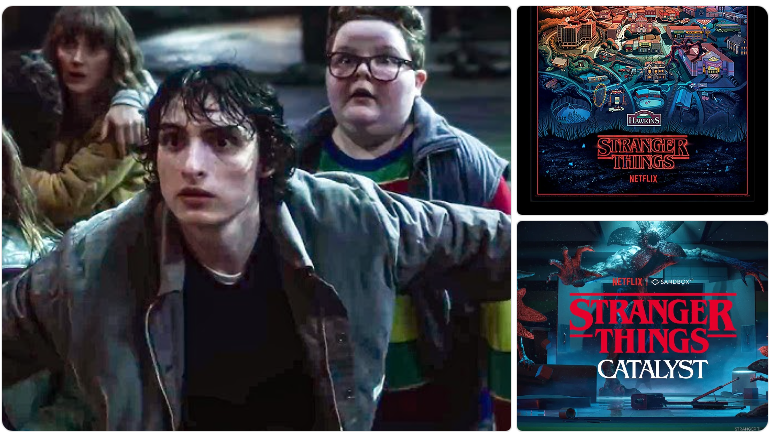
The excitement is palpable: the beloved series Stranger Things is gearing up to wrap its story in Season 5 and the arrival of its final trailer marks a major milestone for fans. At the same time, the franchise is leveraging immersive technologies—particularly virtual reality (VR) and augmented reality (AR)—to deepen fan engagement, turning passive viewers into active participants. In this article we’ll explore the key elements of the final trailer for Season 5, examine how VR/AR integrations are being used to amplify fan immersion, and offer insight into what this means for broader media marketing.
What the Final Trailer Reveals
On 30 October 2025, Netflix published the full trailer for Stranger Things Season 5 via its Tudum platform. Netflix+2yahoo.com+2 The trailer opened with a tagline: “Nothing in Hawkins is normal anymore.” Netflix
Key narrative beats
- The town of Hawkins is under military quarantine and supernatural chaos is escalating. Netflix
- The heroes—Eleven, Mike, Dustin, Lucas, Will, Max, Robin and others—are united for a “final stand” against the villain Vecna. Netflix
- Series co-creator Ross Duffer noted this season “starts a little bit in chaos” because the characters did not get back to normal after Season 4. Netflix
- A global release plan: Volume 1 (four episodes) on Nov 26, Volume 2 (three episodes) on Dec 25, and the finale on Dec 31 2025. Netflix+2Wikipedia+2
Significance of the trailer
The trailer is not merely a visual tease—it functions as a gateway into multiple layers: narrative stakes, franchise closure, and community experience. For instance:
- The “military quarantine” concept emphasizes that Hawkins isn’t just under threat—it’s under control. That raises the stakes.
- The union of the core cast signals that this is a culmination of the series, not a side-story.
- The release structure (three volumes) builds anticipation over time, transforming the trailer into an anchor for engagement rather than a simple promotional blast.
Thus, the trailer sets the scene for the final chapter. But fans are no longer content to only watch. They want to experience. This is where VR and AR enter the picture.
VR/AR Technology Integration in Fan Engagement
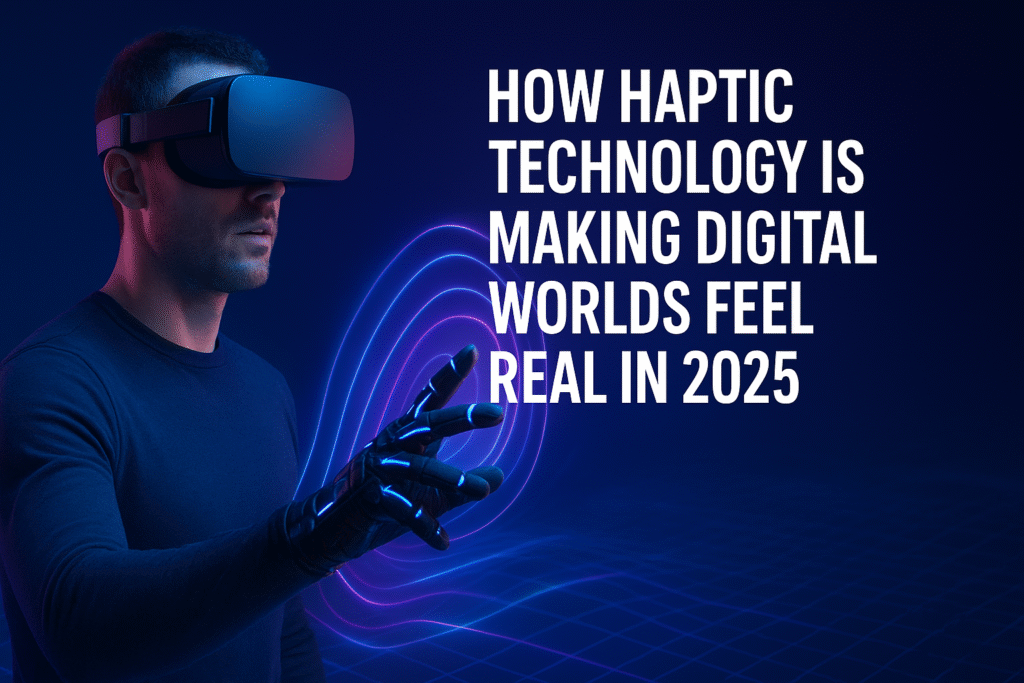
In recent years, the Stranger Things franchise has ventured beyond the screen to build immersive experiences employing VR and AR. According to multiple reports:
AR / Social Filters & 360° Content
- An article on experiential marketing for Netflix’s Stranger Things notes that fans “could now bring Stranger Things into their home through AR filters on Instagram and Snapchat.” indianconventions.in+1
- The same article points to 360-degree virtual-reality promotional videos that allow viewers to look around inside sets or environments tied to the show. TrendHunter.com+1
- This kind of AR/VR content transforms promotion from “see the trailer” into “step into the world”.
Location-based VR Experiences
- A standout example is the collaboration between Sandbox VR and Netflix: Stranger Things: Catalyst, a full-body VR experience announced for late 2025, which coincides with Season 5’s release. americanlegion.gg+1
- In this experience, players “step inside the world of Hawkins” and confront creatures, explore labs, wield telekinesis, and work as a group. Nerds That Geek
- Such location-based immersive tech allows for social play (challenges with friends) and co-presence—fans aren’t just watching Hawkins, they’re in Hawkins.
What this means for fan engagement
These technologies offer several advantages:
- Ownership of experience: Instead of watching a scene, fans live a scene. That emotional stake drives sharing and advocacy.
- Social sharing: AR filters and VR experiences create user-generated content: fans post screenshots, livestream sessions, talk about “we escaped the Upside Down”.
- Extended-universe stay: The series is ending, but experiences don’t end. VR/AR keeps the world alive, which maintains engagement through the finale and beyond.
- Brand differentiation: Using cutting-edge tech positions the franchise as innovative—not just “good story” but “immersive world”.
Linking the Trailer & the Tech Execution
How exactly does this tie in with the final trailer? A few observations:
1. Trailer as teaser & gateway
The trailer raises questions: What happens under quarantine? How will the final battle unfold? By launching immersive experiences concurrently, fans are invited to participate in that world while awaiting episodes.
2. Timing & release coherence
- The VR experience is timed for late 2025, aligning with Season 5’s drop. That synchronicity creates momentum.
- Trailer drops in late October. VR/AR filter drops happen before the season. Fan activations build up to the release.
- Thus, marketing isn’t just a countdown—it’s a layered journey: Trailer → AR/VR → Episode drops.
3. Cross-media ecosystem
The franchise isn’t just “watch – wait – watch more”; it’s “watch – interact – share – wait – content”. The trailer informs the story arc; VR/AR lets you explore side-stories, locations, powers; social filters let you co-brand yourself as a Hawkins citizen or Upside Down wanderer.
4. Emotional amplification
One of the most powerful dimensions of VR/AR is its ability to amplify emotional resonance. The trailer hints at a final chapter, with heightened stakes. Fans entering the VR world feel the threat, the urgency, the physicality. That emotional carry-over makes the series event feel bigger.
Why This Matters from a Marketing & Tech Perspective
For media franchises
- The integration of immersive tech with traditional promotion can extend the “campaign window” significantly.
- It transforms fleeting trailer views into sustained experience loops (fans revisit AR filters, invite friends to VR, share).
- It offers new metrics of success beyond viewership: dwell time in VR, share rate of AR filters, social-media prevalence.
For VR/AR technology adoption
- High-profile IP like Stranger Things serves as a use-case for immersive tech. Fans who might never try VR might join via a franchise they love.
- Location-based VR (like Sandbox VR) shows that not all VR is home-headset—social, shared physical-space immersion is viable.
- AR filters on mobile prove that entry-level tech (smartphones) can still deliver immersive brand experiences.
For SEO and content strategy (relevant for your blog)
- This kind of topic combines pop-culture relevance (final season of a major show) + tech relevance (VR/AR). That convergence offers strong potential for search interest.
- By producing detailed analysis—covering trailer, narrative context, tech execution, marketing angles—you satisfy the why behind the hype.
- Use of images (screenshots of the trailer, VR experience scenes) and internal links (to articles about VR marketing) helps with engagement.
- Consider structuring sub-headers (as here) so that search engines recognise the article as comprehensive.
Potential Fan Experience Moments to Highlight
Here are a few fan-moments enabled by the trailer + tech that you could explore further (perhaps in follow-up posts):
- “Walk into the Byers’ house”: With AR filters and pop-up installations, fans physically step into iconic sets.
- “Join the final battle”: VR experiences let fans wield Eleven’s powers, from telekinesis to fighting Demogorgons.
- “Share your Hawkins alter-ego”: Snapchat/Instagram filters let fans transform into familiar characters or Upside Down-versions of themselves.
- “Countdown with the universe”: The trailer’s phased release (volumes) + interactive tech build up communal anticipation, turning release-day into event-day.
Conclusion
The final trailer for Stranger Things Season 5 isn’t just a trailer—it’s a launch-pad into the franchise’s culminating chapter. But what makes it especially compelling is the way the series has embraced VR and AR to elevate fan engagement from passive viewing to active participation. Whether fans don a headset to battle through the Upside Down or open a smartphone filter to turn Hawkins on its head, the experience becomes personal, social and shareable.
For your blog, this convergence of streaming media, immersive tech, and fandom creates rich content opportunities. You can explore narrative implications, technical execution, fan behaviour, marketing strategy—all of which resonate strongly with tech-savvy readers and the SEO landscape.