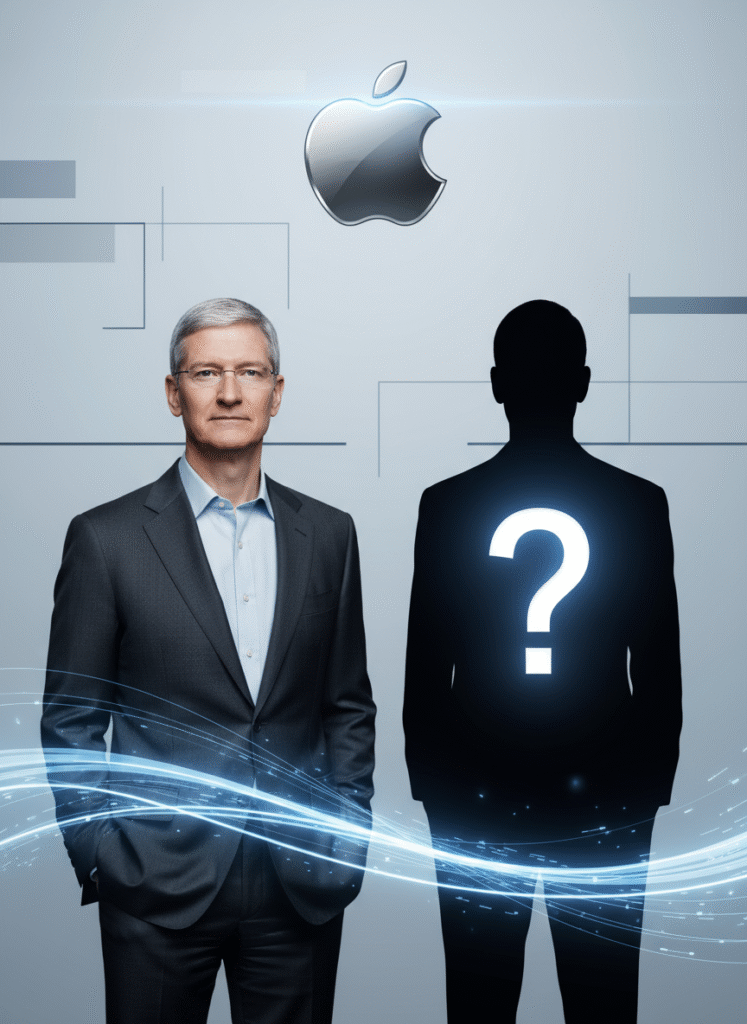
Apple, one of the most valuable and influential tech companies in the world, has long benefited from stable and visionary leadership. Tim Cook has helmed Apple since 2011, guiding it through unprecedented growth, strong financial performance, and a deepening focus on services and sustainability. But like all great leaders, his tenure can’t last forever. Succession planning is now in the spotlight — and the question on everyone’s mind is: Who will lead Apple next?
With multiple capable executives within the company and a board that clearly values long-term continuity, speculation is intensifying over who might succeed Cook. Below, we’ll explore the leading internal contenders, their strengths, the board’s likely considerations, and what Apple’s next era might look like under new leadership.
Why Succession Planning Matters for Apple
Succession planning at Apple is not just a corporate formality — it’s a strategic imperative. As reported by multiple outlets, Apple is reportedly “intensifying” its succession planning. Fortune+29to5Mac+2
Here are some key reasons why this transition is so significant:
- Legacy and Culture: Apple’s identity has long been tied to its leaders, from Steve Jobs’s vision to Tim Cook’s operational discipline. A new CEO must preserve Apple’s culture while also driving its future.
- Long-Term Execution: Apple’s business is complex — hardware, software, services, AI, wearables — and maintaining innovation momentum will require deep institutional knowledge.
- Investor Confidence: Leadership changes often make investors uneasy. A smooth, well-communicated succession can reassure markets that Apple’s core strengths remain intact.
- Aging Leadership: Tim Cook, in his mid-60s, has hinted that Apple has “very detailed succession plans” in place. 9to5Mac
Leading Candidates to Succeed Tim Cook
Based on public reporting, internal dynamics, and executive track records, here are the most commonly discussed internal successors to Tim Cook — and what makes them compelling.
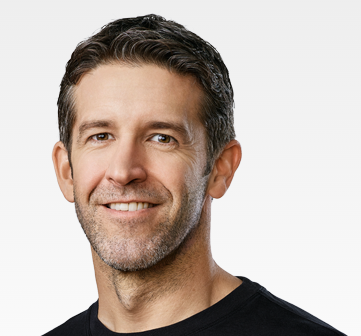
1. John Ternus — Senior Vice President of Hardware Engineering
Why He’s a Front-Runner
- According to multiple sources, John Ternus is widely seen as the leading candidate to succeed Cook. Fortune+1
- He has been with Apple for more than two decades — since 2001 — and has led hardware engineering for core products like iPhone, iPad, Mac, and AirPods. Hindustan Times
- Ternus played a pivotal role in Apple’s transition to Apple Silicon, a major long-term bet for the company. Hindustan Times+1
- He is well regarded internally: described as “well-liked inside Apple” and praised for his temperament and decision-making style. 9to5Mac
- Age-wise, he aligns well with a long-term tenure: he’s relatively younger compared to some other senior leaders, which could appeal to the board as someone who can lead for a decade or more. 9to5Mac
Challenges / Risks
- As a hardware-focused executive, he may need to demonstrate equal strength in services, software, and go-to-market strategy to lead in Apple’s increasingly diversified business.
- Taking over as CEO would require him to shift from purely engineering to more public-facing leadership and investor relations.
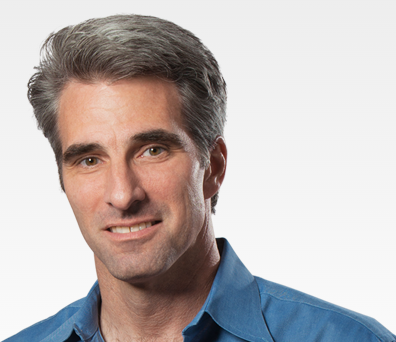
2. Craig Federighi — Senior Vice President of Software Engineering
Strengths
- Federighi is one of Apple’s most familiar public figures, often appearing onstage during Apple events. He’s articulate, technically deep, and well-respected.
- He leads Apple’s software engineering organization — a critical function as Apple continues to double down on its ecosystem, services, and AI.
- His domain expertise gives him a strong understanding of Apple’s long-term software roadmap, which is increasingly central to Apple’s future.
Considerations
- Reports (e.g., via Ursa Major Lab) have previously suggested he is a contender. Ursa Major Lab
- However, some insiders see him as less likely compared to Ternus, perhaps because his proficiency is more focused on software than on the broad operational scope required of a CEO. Ursa Major Lab
- Transitioning from a highly technical executive to the company’s top role would require him to expand his purview into finance, supply chain, and investor relations.
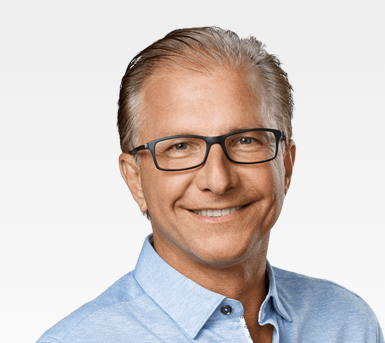
3. Greg “Joz” Joswiak — SVP, Worldwide Marketing
Background & Strengths
- Greg Joswiak (often called “Joz”) oversees global product marketing — a central role in shaping Apple’s brand, messaging, and product launches. Wikipedia
- He has deep Apple experience: he was part of Apple during the early iPod and iPhone days, and has worked across multiple product categories. Wikipedia
- His strength lies in product evangelism and understanding what consumers value, which could help Apple craft a compelling narrative for its next chapter.
Risks / Challenges
- Marketing is only one piece of Apple’s vast organization. As CEO, he would need to command technology, operations, finance, and R&D.
- Internal speculation tends to favor more technically focused candidates (like Ternus) who have a broader engineering or operational background.
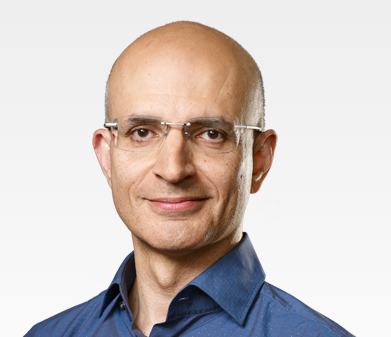
4. Sabih Khan — Chief Operating Officer
Why He’s Suddenly More Prominent
- Sabih Khan recently assumed the role of COO following Jeff Williams’s retirement in July 2025. Financial Times
- He has a long tenure at Apple (joined in 1995) and deep experience in operations, supply chain, and manufacturing. Wikipedia+1
- As COO, he has visibility into Apple’s most critical operational levers — manufacturing, logistics, supplier relationships — which are increasingly vital in a world of geopolitical risk and supply chain challenges.
Challenges
- Compared to Ternus or Federighi, he may not be seen primarily as a product visionary, which could be a disadvantage in a company so defined by its innovation.
- He would need to broaden his strategic profile (beyond operations) to win board support as CEO.
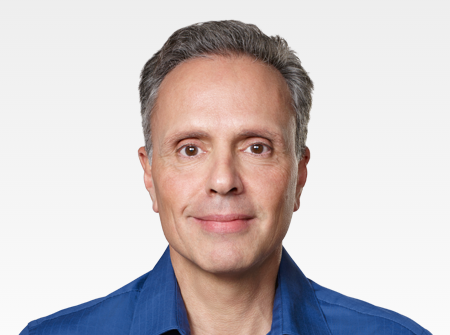
5. Johny Srouji — SVP, Hardware Technologies
Potential Upside
- Srouji oversees hardware technologies at Apple, including silicon, which is central to Apple’s future (e.g., continued chip innovation). Wikipedia
- He has deep technical expertise and institutional knowledge, which could allow him to guide Apple’s hardware strategies in the long run.
Considerations
- While technically very strong, he’s less often mentioned in public speculation about succession, possibly because his role is more specialized and less focused on general management.
- His public profile is lower than Ternus or Federighi, which might make him a less obvious pick for investors or the board if they want a familiar face leading Apple’s next era.
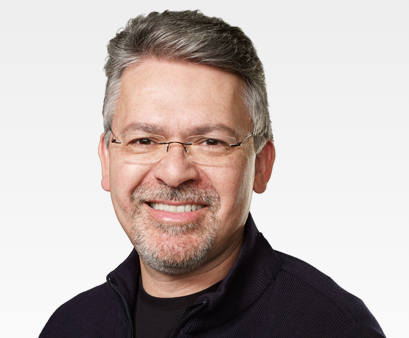
6. John Giannandrea — Former SVP of Machine Learning & AI
Why He’s in the Conversation
- Giannandrea was Apple’s senior vice president of machine learning and AI strategy. Wikipedia
- AI is likely to be a huge component of Apple’s future, from Siri to on-device intelligence to augmented reality. An AI-focused CEO could align with that vision.
But There Are Substantial Headwinds
- Reports suggest he has lost influence at Apple, especially after organizational shifts around Siri. Wikipedia
- His experience is more technical than operational. Leading Apple means managing not just AI, but hardware, services, finance, and global operations — a very broad portfolio.
What the Board Is Likely Thinking
Putting together the views from analysts, insiders, and public reporting, Apple’s board may be prioritizing the following in their succession decision:
- Longevity: They want someone young enough to lead Apple for a decade or more, ensuring continuity. That’s why John Ternus, at ~50, is appealing. 9to5Mac+1
- Cross-Domain Experience: A CEO must be comfortable with hardware, software, operations, and services. Ternus brings hardware + engineering credibility; Federighi brings software; Khan brings operational expertise.
- Public Presence: Apple’s CEO is more than an internal manager — they must interface with investors, regulators, and media. Federighi’s keynote experience and Ternus’s presentation poise matter.
- Technological Vision: Apple’s next era is likely to hinge on AI, silicon, and possibly AR/VR. Internal candidates with a strong understanding of these domains could shape the company’s future strategy.
Scenarios for Possible Transitions
Here are a few plausible scenarios for how Apple’s CEO succession could unfold:
- Planned Handoff (e.g., 2026)
- Apple may formalize a transition after its Q1 earnings report (reported by FT). Fortune
- Ternus is named CEO, with Federighi, Khan, and others forming a strong C-suite team.
- Cook remains on board for a while (as he has signalled), offering mentorship and continuity.
- Apple may formalize a transition after its Q1 earnings report (reported by FT). Fortune
- Unexpected Succession (e.g., due to health or other unforeseen event)
- An internal ‘contingency plan’ could put Khan or Federighi in interim leadership roles.
- The board may fast-track naming a permanent successor depending on readiness and investor sentiment.
- An internal ‘contingency plan’ could put Khan or Federighi in interim leadership roles.
- Co-CEO or Shared Leadership Structure
- Though less likely at Apple, it’s possible (in theory) that Apple could adopt a model where technical leadership (Ternus or Srouji) is paired with operational leadership (Khan).
- This would mirror structures in other tech companies, but would be a departure from Apple’s historically top-down CEO structure.
- Though less likely at Apple, it’s possible (in theory) that Apple could adopt a model where technical leadership (Ternus or Srouji) is paired with operational leadership (Khan).
Implications for Apple’s Future
Whoever becomes CEO will shape Apple’s next decade in major ways. Some likely implications depending on the chosen successor:
- If Ternus leads: Expect a continued engineering-first mindset, deep commitment to hardware innovation, and possibly more tight integration of hardware and software.
- If Federighi leads: Software, services, and ecosystem strength could be emphasized; we might see even more AI-driven experiences.
- If Khan leads: Operations, supply chain, and efficiency could take center stage — valuable in a time of geopolitical risk.
- If Srouji leads: Apple’s silicon roadmap might accelerate, possibly with more custom chips and hardware renewals.
- If Giannandrea somehow ascends: AI could become a more central narrative, potentially pushing Apple toward more aggressive AI investments or new product categories.
Risks and Challenges of the Transition
- Market Reaction: A new CEO always brings uncertainty. If investors or customers distrust the leader, Apple could face volatility.
- Internal Disruption: Even the perception of succession drama can unsettle teams.
- Vision Shift: The next CEO might pivot Apple’s strategic priorities (e.g., from hardware to AI or services), which could alienate parts of its audience or slow down certain products.
- Competition: Apple’s rivals are not standing still. Turning over leadership amid intensifying competition from AI-first players (e.g., Google, Microsoft) means the timing of a transition is critical.
Conclusion: A New Chapter for Apple
Apple stands at a turning point. With Tim Cook’s eventual departure on the horizon, the board and executive team are under pressure to select a successor who embodies both continuity and innovation. The leading internal candidates—John Ternus, Craig Federighi, Greg Joswiak, Sabih Khan, Johny Srouji, and possibly John Giannandrea—each bring distinct strengths and trade-offs.
Of them, John Ternus appears to have the strongest momentum, thanks to his technical pedigree, long institutional history, and alignment with Apple’s long-term product vision. But Apple’s eventual decision will reflect not just internal talent, but the board’s assessment of how the company should evolve in the next decade — whether that means doubling down on hardware, pushing software and services, or investing deeply in AI.
As investors, Apple-watchers, and fans alike, we’ll be watching closely. The next CEO will not only carry Cook’s legacy forward but also define what “Apple” means in a rapidly changing technological landscape.