The live music industry has always been a space for innovation. From pyrotechnics to elaborate stage designs, artists and event organizers have sought ways to push the boundaries of performance. Now, augmented reality (AR) is redefining the concert experience, offering fans a blend of the physical and digital worlds like never before.
In this article, we’ll explore how AR is transforming concerts, the technology driving these immersive experiences, examples of real-world applications, and what the future holds for live music.
1. What is Augmented Reality in Concerts?
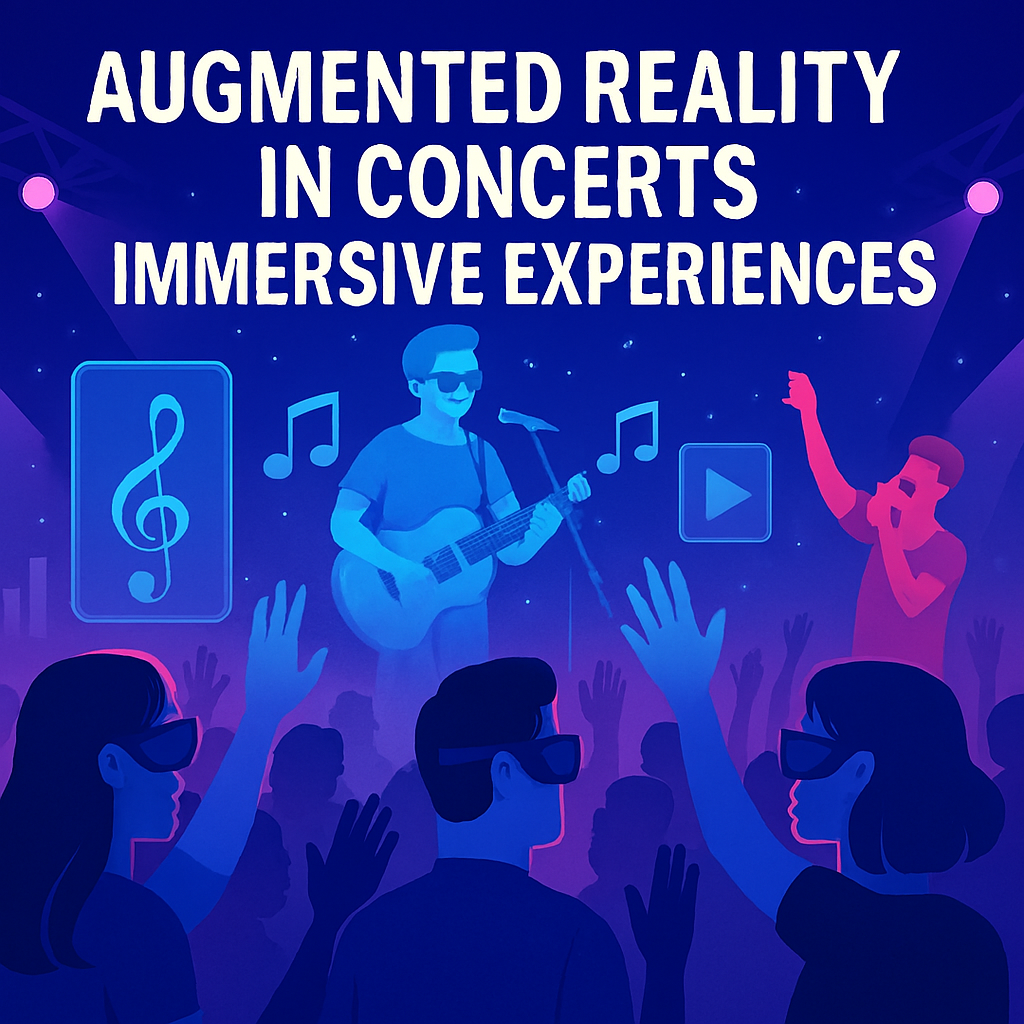
Augmented reality overlays digital elements—such as 3D visuals, animations, or effects—onto the real-world environment. In the context of concerts, AR can be integrated into:
- Stage performances (projecting virtual characters or scenery around the artist)
- Audience experiences (through AR-enabled glasses or smartphones)
- Livestreams (allowing remote viewers to enjoy enhanced visuals from home)
Unlike virtual reality (VR), which fully immerses the viewer in a simulated environment, AR keeps the audience grounded in the real world while enhancing it with dynamic, interactive visuals.
2. Why AR is a Game-Changer for Live Music
The integration of AR into concerts is not just a technological gimmick—it’s a creative revolution. Some key benefits include:
2.1 Enhanced Storytelling
Artists can extend the narrative of their music through AR-powered worlds that evolve throughout the show. Imagine a song about space travel accompanied by holographic planets orbiting the stage.
2.2 Increased Fan Engagement
By connecting through mobile apps or wearable devices, fans can interact with the performance, vote on visual effects, or even see themselves projected on big screens with AR enhancements.
2.3 New Revenue Streams
AR opens the door to exclusive, digital merchandise and collectibles—such as virtual posters or unique 3D filters—available only during the concert.
2.4 Accessibility for Remote Audiences
For fans who can’t attend in person, AR-powered livestreams can offer a unique, interactive experience that goes beyond simply watching a video feed.
3. Technologies Powering AR in Concerts
The seamless integration of AR into live events requires a combination of hardware, software, and creative design:
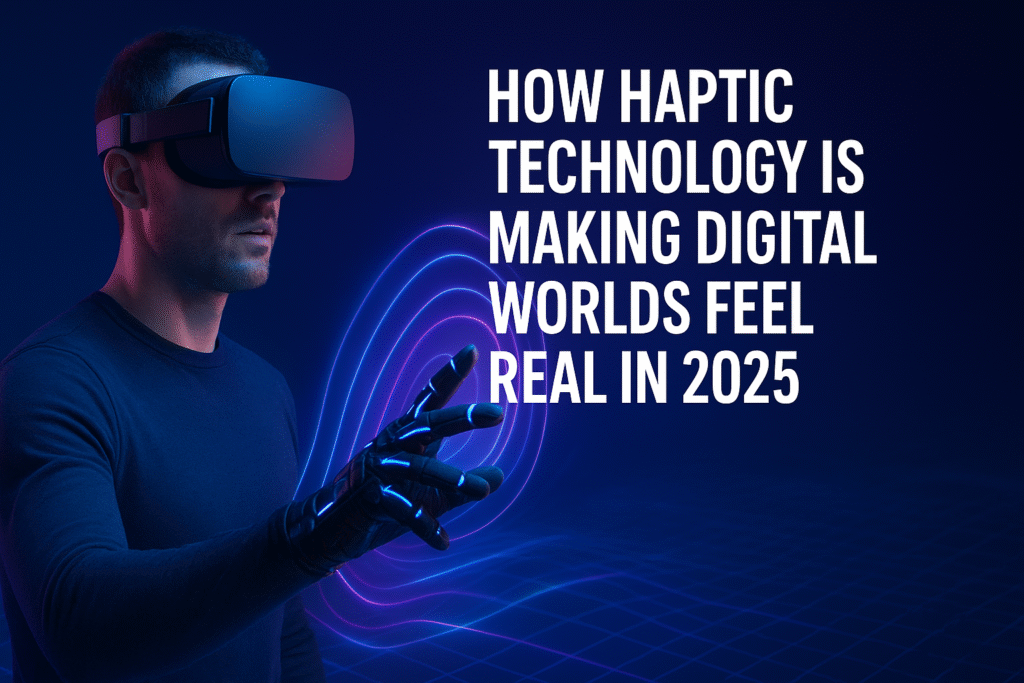
- AR Glasses & Headsets – Devices like Nreal Air or Magic Leap can overlay visuals directly into the viewer’s field of vision.
- Mobile AR – Using smartphone cameras and AR apps to bring performances to life without extra hardware.
- Projection Mapping – Transforming physical stage surfaces into dynamic visual landscapes.
- Real-Time Rendering Engines – Platforms like Unreal Engine power high-quality AR visuals in sync with live music.
- 5G Connectivity – Essential for low-latency AR experiences, especially for large crowds.
4. Real-World Examples of AR in Concerts
4.1 Travis Scott’s Fortnite Concert (2020)
Although entirely virtual, this event showcased the potential of AR-like visuals for remote audiences. Over 12 million people attended the surreal, interactive performance.
4.2 Coachella’s AR Stage
Coachella integrated AR effects for attendees with smartphones, turning certain performances into multidimensional visual experiences.
4.3 BTS “Map of the Soul ON:E” Online Concert
The K-pop group used AR and XR (extended reality) to create elaborate backdrops and interactive elements, connecting with millions of global fans.
5. Challenges in AR Concert Integration
While the technology is exciting, it’s not without hurdles:
- Cost – Developing custom AR visuals can be expensive.
- Technical Limitations – Large-scale AR requires robust infrastructure to avoid glitches or latency.
- Audience Adoption – Not all fans are willing or able to use AR glasses or apps.
- Creative Balance – Overusing AR may distract from the music itself.
6. The Future of AR in Live Music
The coming years may see:
- Fully interactive concerts where fans’ actions influence the visuals in real time.
- Hybrid physical-digital tours with in-person and AR-enhanced online audiences sharing the same experience.
- Integration with AI to generate unique, personalized AR elements for each fan.
As 5G networks expand and AR devices become more affordable, immersive concerts may become a mainstream entertainment option, blurring the line between reality and fantasy.
7. Final Thoughts
Augmented reality in concerts is more than a tech trend—it’s a creative tool that can redefine how we connect with music and artists. While it comes with challenges, its potential for storytelling, fan engagement, and innovation makes it one of the most exciting frontiers in live entertainment.
The next time you attend a concert, don’t be surprised if you find yourself standing under a holographic sky, dancing alongside virtual creatures, or exploring a world that exists only in the space between the real and the digital.