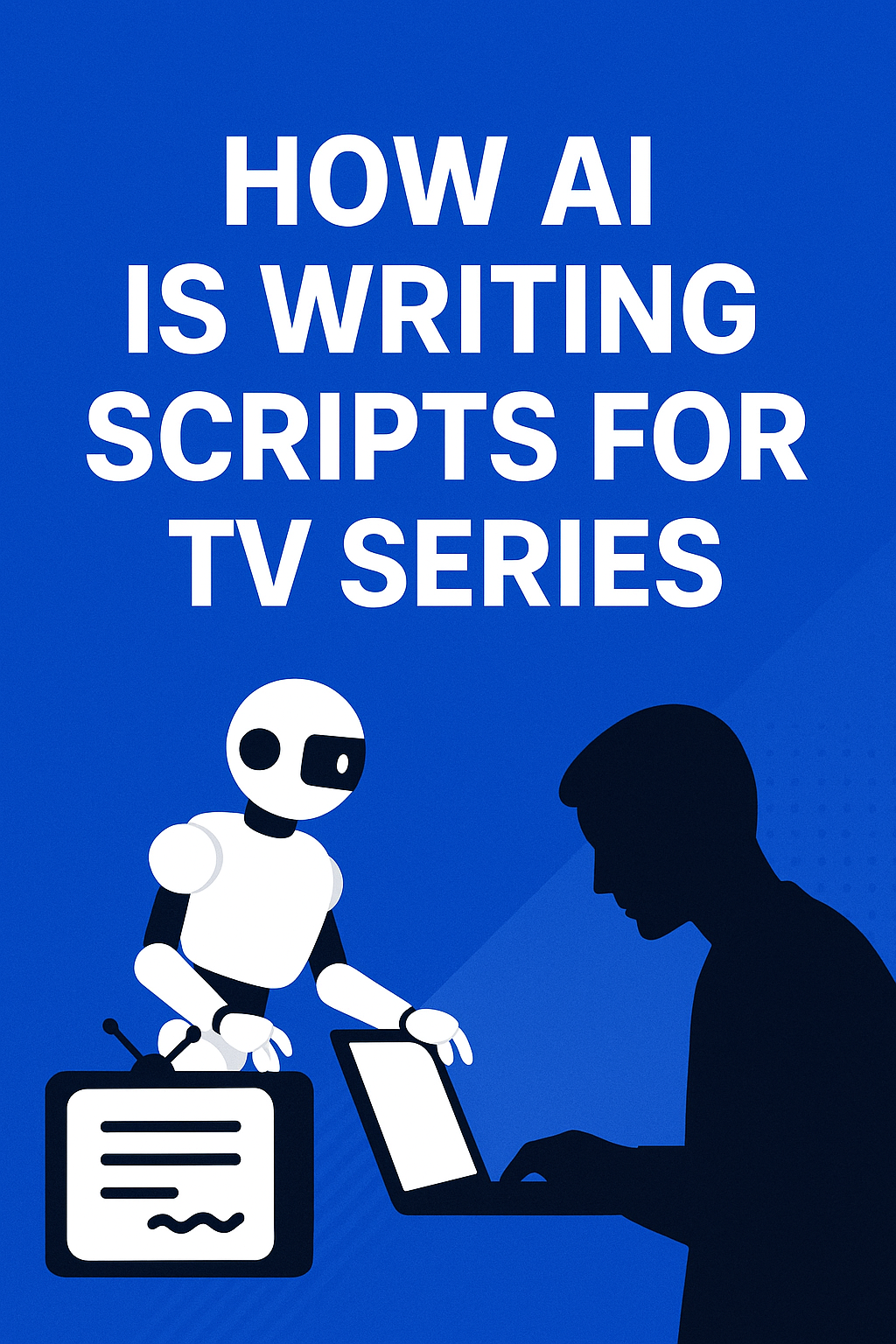
The world of television is experiencing a technological revolution that goes beyond streaming platforms and special effects. Artificial Intelligence (AI) is now stepping into the creative arena, helping to write scripts for TV series. From generating plot ideas to polishing dialogue, AI is transforming how shows are conceived and produced — raising both excitement and concern among industry professionals.
In this article, we’ll explore how AI is writing scripts for TV, the tools making it possible, real examples in the industry, benefits, challenges, and what the future might hold.
1. AI in the Entertainment Industry: The Bigger Picture
AI has already influenced multiple aspects of entertainment. Recommendation algorithms on platforms like Netflix or Amazon Prime Video predict what we’ll watch next. AI-driven CGI helps create lifelike characters and environments. But scriptwriting is a different challenge — it’s not about crunching numbers or rendering graphics, it’s about storytelling.
Modern AI models, such as OpenAI’s GPT family, Google’s Gemini, and Anthropic’s Claude, are capable of producing human-like text that can mimic genre styles, adapt to a show’s tone, and even suggest plot twists. This shift is enabling faster and more data-driven storytelling than ever before.
2. How AI Scriptwriting Works
Writing a TV script with AI generally involves three stages:
a) Idea Generation
Writers can input basic prompts like:
- “A sci-fi drama about a colony on Mars facing a mysterious threat.”
- “A comedy set in a tech startup during a major product launch.”
The AI then generates multiple plot outlines, offering creative starting points that can save hours of brainstorming.
b) Scene and Dialogue Creation
Once an outline is chosen, AI can write entire scenes with character interactions, dialogue, and even stage directions. Some AI tools can adjust tone, pacing, and humor level to match the intended audience.
c) Revision and Polishing
AI can also be used to revise scripts, making dialogue more natural, ensuring character consistency, and spotting plot holes. This stage often involves human writers giving feedback and the AI iterating on the text.
3. Leading AI Scriptwriting Tools
Several AI-powered platforms are designed specifically for TV and film scriptwriting:
- ScriptAI – Focused on producing pilot episodes and screenplay drafts.
- ChatGPT & GPT-based plugins – Used by indie creators to generate ideas and dialogue quickly.
- Plotagon & AI Storyteller – Turn written scripts into animated scenes.
- Sudowrite – Helps with creative writing, enhancing style and narrative flow.
These tools don’t just produce words — they integrate with script formatting software like Final Draft or Celtx, making them more practical for production teams.
4. Real-World Examples
AI scriptwriting is no longer theoretical:
- “Sunspring” (2016) – An experimental short film whose script was entirely written by an AI named Benjamin (a neural network trained on sci-fi screenplays).
- Netflix experiments – While not fully replacing writers, Netflix has tested AI-assisted content development to predict audience interest and refine scripts.
- YouTube mini-series – Several independent creators are releasing AI-written web series, blending automation with human editing.
5. Benefits of AI in Scriptwriting
a) Speed
A human writer might take weeks to produce a polished episode script. AI can produce a first draft in hours, allowing teams to iterate faster.
b) Cost Reduction
Producing TV content is expensive. AI-generated drafts reduce the time and budget needed for the writing phase.
c) Creative Diversity
AI can suggest unexpected plotlines based on patterns from thousands of scripts, inspiring writers to explore new ideas.
d) Accessibility
Independent filmmakers and small production companies can now create high-quality scripts without hiring large writing teams.
6. The Limitations and Risks
Despite the advantages, there are critical concerns:
a) Lack of Originality
AI draws from existing works, which can lead to predictable or derivative plots.
b) Cultural Nuance
Humor, slang, and cultural references often require human understanding to feel authentic.
c) Intellectual Property Issues
AI-generated content may unintentionally reproduce copyrighted elements from its training data.
d) Ethical Concerns
The Writers Guild of America (WGA) has raised alarms about AI potentially replacing human jobs, leading to debates over authorship rights.
7. Human + AI: The Hybrid Model
Most experts agree that the future of AI in TV writing isn’t about replacing humans entirely, but about collaboration:
- AI handles initial drafts, research, and structure.
- Human writers bring emotional depth, cultural relevance, and unique voice.
This hybrid model could empower writers by freeing them from repetitive tasks and allowing them to focus on creativity.
8. The Future of AI in TV Scriptwriting
In the coming years, we might see:
- Fully AI-generated episodic series for niche streaming platforms.
- Personalized storylines where AI adapts episodes to viewer preferences.
- AI tools integrated directly into writer’s rooms, working alongside human staff in real-time.
While AI will continue to evolve, human storytelling instincts will remain vital to making characters relatable and narratives compelling.
Final Thoughts
AI is no longer a behind-the-scenes assistant — it’s becoming an active participant in the creative process. For TV scriptwriting, it offers speed, efficiency, and endless possibilities, but it also raises important questions about originality, ethics, and the future of human creativity.Whether you see AI as a co-writer, a competitor, or a creative spark, one thing is certain: the way we make TV shows is changing forever.