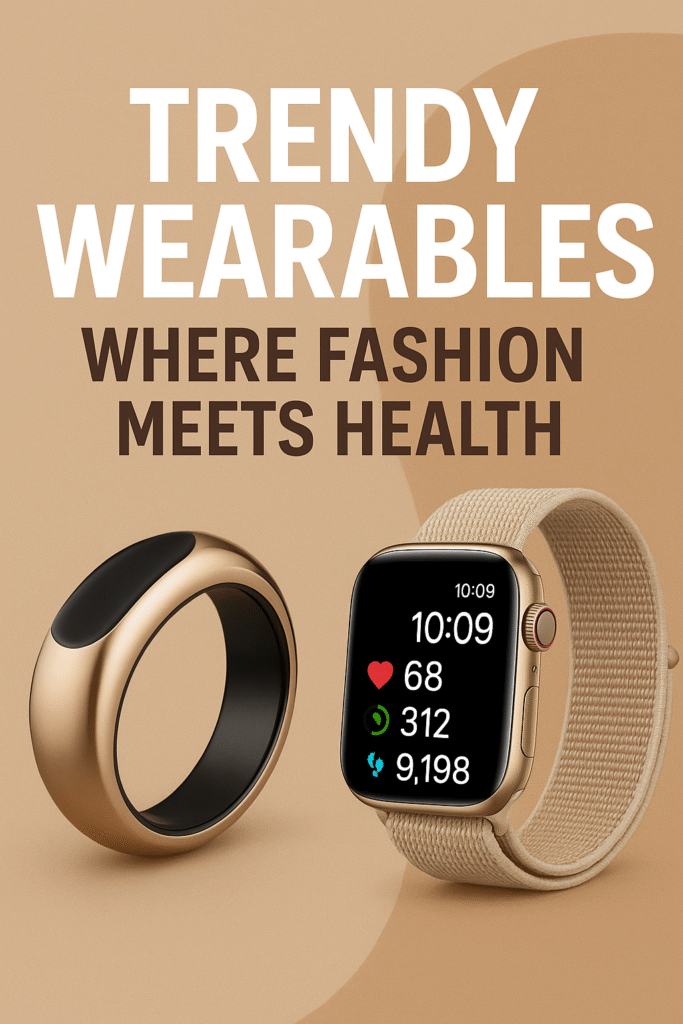
In just a decade, wearables have evolved from simple step counters into cutting-edge lifestyle devices that merge fashion, technology, and health tracking. From luxury smartwatches to chic fitness trackers, and even clothing embedded with sensors, today’s wearables are no longer just gadgets—they are part of a personal style statement.
This transformation is driven by a consumer demand for functionality that doesn’t compromise aesthetics. People want their devices to not only help them stay fit and connected but also complement their wardrobe. At the same time, advances in AI, biometrics, and material design are making wearables more powerful than ever.
So, how exactly are trendy wearables reshaping the way we look at both style and health? Let’s dive in.
The Evolution of Wearables: From Utility to Lifestyle
When fitness trackers like Fitbit first hit the market, their main appeal was simple: track your steps and calories. But as consumer needs expanded, wearables began to adopt more fashionable designs and smarter capabilities.
- 2010s: Basic pedometers and wristbands gained popularity.
- Mid-2010s: Smartwatches with phone connectivity (Apple Watch, Samsung Gear) became mainstream.
- 2020s: Smart jewelry, sensor-embedded clothing, and high-fashion collaborations elevated wearables into style accessories.
Today, wearables are not just functional but status symbols—just like handbags, sneakers, or luxury watches.
Style Meets Technology: Wearables as Fashion Statements
The biggest shift in the wearable market is the fusion of fashion with technology. Leading tech companies have realized that design is just as important as functionality.
- Luxury Collaborations: Apple partnered with Hermès to create exclusive Apple Watch straps, while Fossil blends smartwatch technology with timeless analog design.
- Smart Jewelry: Brands like Oura and Bellabeat make elegant rings and pendants that monitor sleep, stress, and menstrual cycles while looking like jewelry.
- Customizable Accessories: Interchangeable straps, designer editions, and personalized displays let users adapt wearables to their personal style.
This fashion-forward approach is expanding the wearable demographic from tech enthusiasts to style-conscious consumers.
Health Tracking Becomes More Advanced
While style draws attention, the health benefits of wearables are what truly define their impact. The latest generation of devices goes far beyond step counting:
- Heart Health Monitoring
Many smartwatches include ECG and blood oxygen sensors, detecting irregularities like atrial fibrillation. Apple, Fitbit, and Garmin lead this innovation. - Sleep Analysis
Devices now provide in-depth sleep cycle tracking, helping users improve rest quality and detect potential issues like sleep apnea. - Stress & Mental Health
Stress detection using heart rate variability, guided breathing sessions, and mindfulness apps are becoming standard. - Women’s Health
Smart rings and trackers now include menstrual and fertility tracking, empowering women with personalized insights. - AI-Powered Insights
With machine learning, wearables don’t just collect data—they provide personalized coaching and predictions for better health management.
This integration of health technology positions wearables as preventive healthcare tools, allowing individuals to take control of their wellness.
The Rise of Smart Clothing and Next-Gen Wearables
Beyond wristbands and watches, smart clothing is the next big leap. Fabrics embedded with sensors can monitor posture, muscle activity, and hydration levels.
- Smart Shoes: Track running performance and even generate energy from walking.
- Smart Fabrics: Adaptive temperature control clothing that keeps you cool or warm depending on conditions.
- Medical Wearables: Discreet patches that continuously monitor glucose, hydration, or vital signs.
This trend makes wearables seamless, blending into everyday clothing rather than standing out as separate gadgets.
Wearables in the Fitness and Wellness Industry
The fitness industry has embraced wearables like no other. Gyms, personal trainers, and sports brands are incorporating them into training plans and performance tracking.
- Gamification of Fitness: Fitness apps tied to wearables reward users with challenges and badges, keeping motivation high.
- Professional Sports: Athletes use wearables for advanced biometric tracking, injury prevention, and recovery optimization.
- Corporate Wellness Programs: Companies provide employees with fitness trackers to encourage healthy habits and reduce healthcare costs.
The result is a mainstream adoption of wearables as essential tools for maintaining a healthy lifestyle.
How Wearables Empower Personalization
One of the greatest strengths of wearables is their ability to adapt to individual needs. Unlike traditional health tools, wearables learn from daily activity and offer insights tailored to each user.
- Personalized workout recommendations
- Custom health alerts
- AI-driven diet and sleep suggestions
- Smart notifications that balance digital wellness
This makes them not only health companions but also lifestyle coaches, creating a sense of personal connection with the technology.
Challenges Facing Wearables
Despite their success, trendy wearables face several challenges:
- Privacy Concerns
Collecting sensitive health data raises questions about who has access and how it’s used. - Battery Life
As features expand, balancing performance with battery efficiency remains a struggle. - Affordability
High-end models can be expensive, limiting accessibility for all demographics. - Accuracy
Not all wearables provide medical-grade accuracy, which can affect trust.
These challenges represent opportunities for future innovation in ethical AI, energy efficiency, and inclusive design.
The Future of Wearables: Where Style and Health Converge
Looking ahead, wearables will continue to evolve as fashion-forward wellness tools. Key trends shaping the future include:
- AI-Driven Predictions: Anticipating health issues before they arise.
- Sustainable Wearables: Eco-friendly materials and energy-efficient designs.
- Integration with Metaverse & AR: Smart glasses and wearables merging with virtual reality.
- Medical-Grade Devices at Home: Continuous health monitoring replacing some doctor visits.
- Hyper-Personalization: Devices that adjust in real time to your body’s needs.
In this future, wearables won’t just be accessories—they’ll be essential lifestyle companions.
Final Thoughts
The rise of trendy wearables proves that technology can be both practical and stylish. They have redefined how we think about health, wellness, and fashion, bridging the gap between personal expression and personal care.
From luxury smartwatches to invisible health patches, wearables are shaping a world where style meets science. As technology continues to advance, we can expect wearables to become even more integrated, intelligent, and indispensable.What began as step counters is now a global movement toward tech-infused lifestyles—one where your watch, ring, or even your shirt doesn’t just look good but also helps you live better.