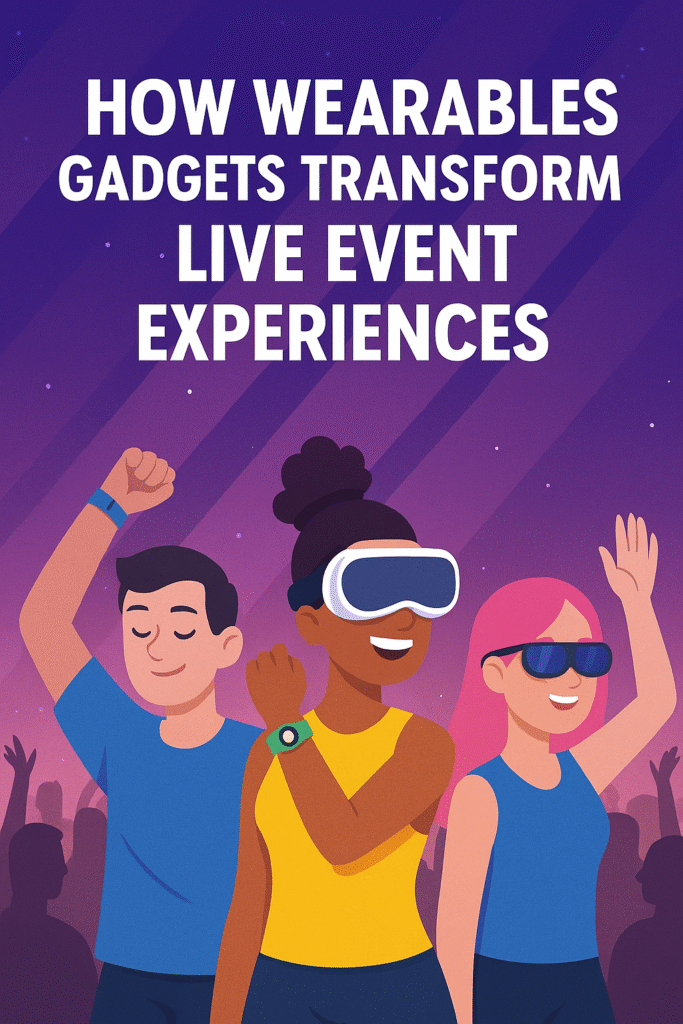
Live events—whether concerts, festivals, or sports matches—have always thrived on energy, community, and the unforgettable connection between performers and audiences. But in recent years, wearable gadgets have begun transforming these experiences, offering fans, artists, and organizers new ways to interact, stay safe, and make memories last longer.
From smart wristbands that act as tickets to AR glasses that overlay real-time effects, the rise of wearables is reshaping how we experience live entertainment. This article explores the impact of wearable gadgets at concerts and festivals, their benefits, and what the future holds for this exciting intersection of technology and culture.
The Rise of Wearables in Entertainment
Wearable technology is not new—fitness trackers, smartwatches, and VR headsets have been mainstream for years. What’s changing now is the adoption of these devices by the live events industry. Event organizers are increasingly looking at wearables as a way to enhance fan engagement, streamline logistics, and collect valuable insights.
Music festivals like Coachella and Tomorrowland have already embraced wearable gadgets, integrating them into ticketing, security, and immersive performances. As the technology evolves, it is becoming a natural extension of how people enjoy live shows.
Key Ways Wearables Are Enhancing Concerts and Festivals
1. Streamlined Access and Cashless Payments
One of the most practical applications of wearables is simplifying entry and transactions. RFID (radio-frequency identification) wristbands, now common at major festivals, serve as digital tickets. They reduce wait times, prevent fraud, and make re-entry hassle-free.
Beyond access, these wearables double as digital wallets. Attendees can preload money onto their wristbands and use them to buy food, drinks, or merchandise—cutting down on long lines and making purchases quicker and more secure.
2. Personalized and Immersive Experiences
Imagine your wristband lighting up in sync with the music, or your AR glasses projecting real-time visuals during a performance. These are not futuristic concepts—they’re already happening.
- Light-up wearables: Companies like PixMob provide wristbands and lanyards that glow in coordinated patterns, turning the crowd itself into part of the show.
- Augmented reality (AR): Glasses or smartphone-connected headsets overlay visuals onto the performance, creating a hybrid of digital and physical entertainment.
These personalized touches make fans feel like they’re part of something larger, blurring the line between spectator and participant.
3. Enhanced Safety and Health Monitoring
Large events come with challenges: crowd control, health risks, and safety concerns. Wearables are stepping in to address these issues.
- Location tracking: Smart wristbands can help friends locate each other in crowded venues, reducing stress and improving safety.
- Emergency alerts: Organizers can push real-time updates directly to wearables—whether it’s about weather conditions, lost children, or security alerts.
- Health monitoring: Advanced wearables can track heart rate or dehydration levels, notifying medical teams if someone needs assistance. This is especially valuable at summer festivals where heat-related incidents are common.
4. Data-Driven Insights for Organizers
Behind the scenes, wearables provide organizers with powerful data. RFID bands can track crowd flow, purchase patterns, and engagement levels. This data helps optimize staffing, reduce congestion, and improve future events.
For sponsors and brands, the insights are equally valuable. They can see which performances drew the biggest crowds, what products sold best, and how audiences interacted with promotional activities.
5. Strengthening the Connection Between Artists and Fans
Artists are also benefiting from wearable-driven engagement. Smart bands and AR features can deliver personalized messages, exclusive content, or interactive elements during a performance. Imagine a band sending a surprise “thank you” message that lights up every fan’s wristband at the same time.
This creates moments of intimacy and shared emotion that deepen loyalty and keep fans talking long after the event ends.
Real-World Examples of Wearables at Events
- Coachella uses RFID wristbands for ticketing and payments, setting the standard for cashless festival experiences.
- Coldplay has famously used LED wristbands at concerts, turning audiences into massive, synchronized light shows.
- Tomorrowland leverages smart wristbands for entry, themed light displays, and community features, enhancing the festival’s magical atmosphere.
- Sports arenas are experimenting with AR glasses to deliver live stats and replays, a concept that could easily expand to concerts and festivals.
Challenges and Concerns
While wearable gadgets are exciting, they also raise concerns:
- Privacy: Attendees may be uneasy about sharing location and biometric data. Organizers must ensure transparency and strong data protection.
- Cost: Advanced wearables add expenses for organizers, which could translate into higher ticket prices.
- Accessibility: Not all fans may be comfortable using or affording wearables, so inclusivity must remain a priority.
Balancing innovation with fairness and security will be key to the sustainable growth of wearables in live entertainment.
The Future of Wearables in Live Events
As technology advances, wearable gadgets are expected to become even more immersive and integrated into the live event ecosystem. Here’s what the future might look like:
- Biometric ticketing: Using fingerprint or facial recognition wearables to enter events securely.
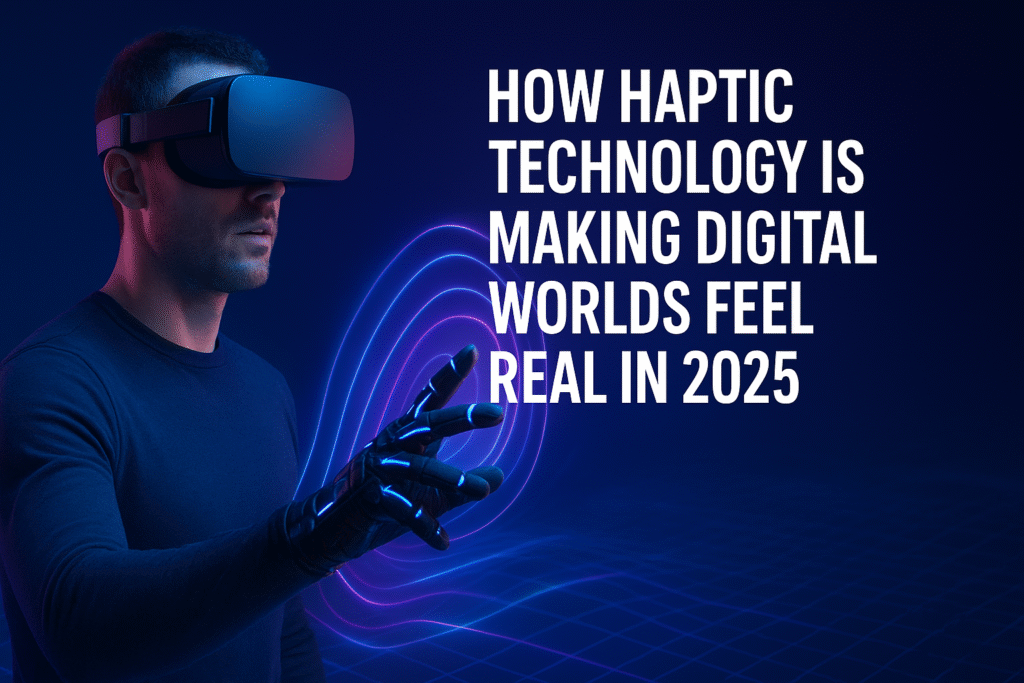
- Haptic feedback wearables: Devices that let fans “feel” the bass or rhythm physically through vibrations.
- Full AR integration: Concerts where digital overlays and real performers merge seamlessly, creating hybrid entertainment worlds.
- Sustainability-focused wearables: Eco-friendly bands made from recycled or biodegradable materials to reduce waste at large events.
These innovations will not only transform how fans engage but also redefine what it means to attend a “live” performance in a digital age.
Conclusion
Wearable gadgets are no longer just fitness trackers or accessories—they’re becoming essential tools in live event experiences. From making entry smoother to turning audiences into interactive parts of performances, wearables are reshaping concerts and festivals in ways that benefit fans, artists, and organizers alike.
While challenges around privacy and cost remain, the potential is undeniable. As technology continues to evolve, one thing is clear: the future of live entertainment will be more connected, immersive, and unforgettable—thanks to wearable gadgets.