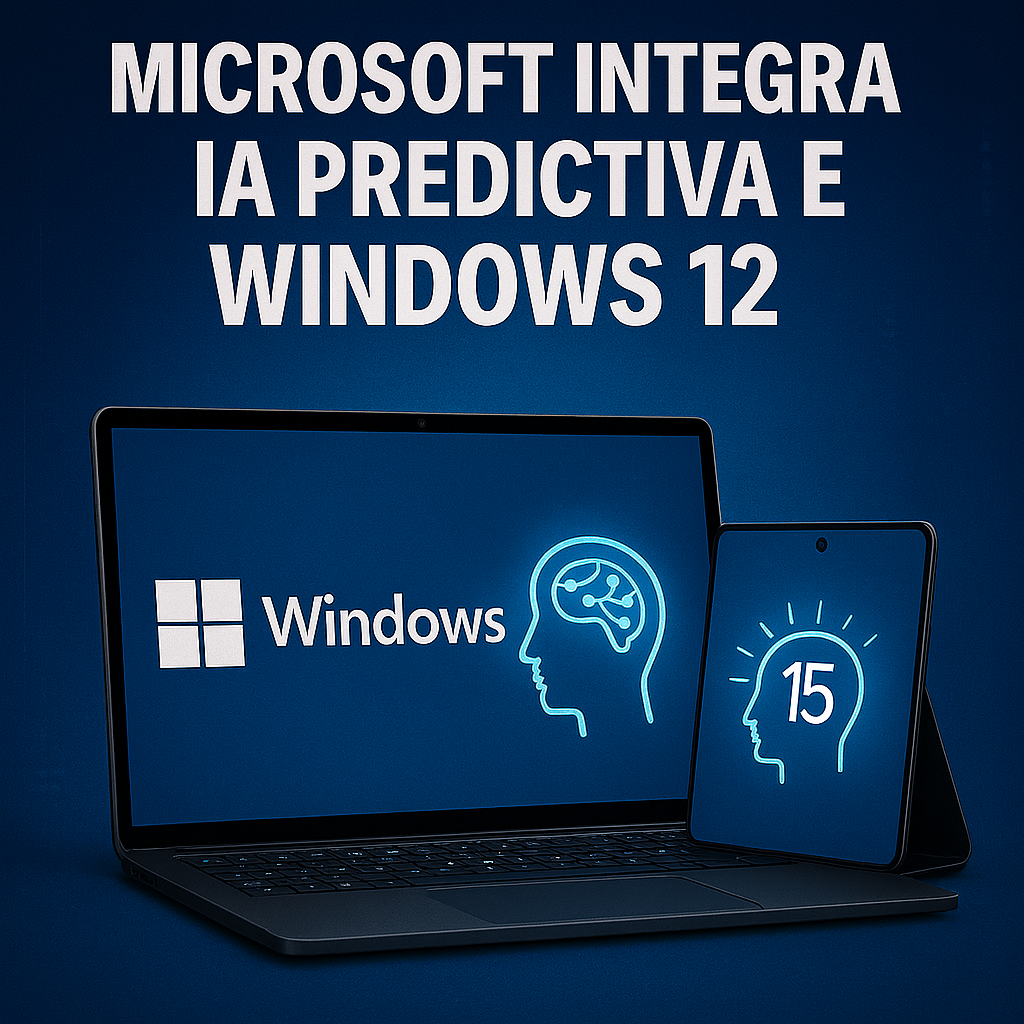
The technology world has been buzzing with speculation about the next iteration of Microsoft’s flagship operating system, and now it’s official — Windows 12 will integrate predictive AI at its core. This move marks one of the most significant shifts in Microsoft’s OS history since the launch of Windows 95.
Predictive AI aims to not just respond to user commands but anticipate needs before the user even types a request or clicks a button. Microsoft believes this proactive approach will redefine productivity, personalization, and the overall computing experience.
In this article, we’ll explore what predictive AI means in Windows 12, how it works, what features you can expect, its potential impact on personal and professional workflows, and the challenges ahead.
What Is Predictive AI in Windows 12?
Predictive AI uses advanced machine learning models and contextual data to anticipate user actions, suggest relevant tools, and automate repetitive tasks. While AI assistants like Cortana or ChatGPT respond to queries, predictive AI takes things further — it acts before you even ask.
In Windows 12, predictive AI will be deeply embedded in the OS, meaning it will learn from your behavior patterns, schedule, files, and even cross-device activities to streamline your workflow.
Core Features of Predictive AI in Windows 12
Microsoft has outlined several features that showcase how predictive AI will enhance the user experience.
1. Smart Contextual Suggestions
Windows 12 will suggest applications, documents, or settings based on the time of day, your previous activity, and even upcoming calendar events.
- Writing a report? The system could automatically open your preferred word processor and the last file you worked on.
- Preparing for a video call? It might launch Teams, mute notifications, and adjust lighting settings automatically.
2. Proactive Security Alerts
Security is a major focus. The predictive AI will detect unusual system behavior or login patterns and proactively alert you — or even take preventive measures. For example, if you download a suspicious file, the AI might quarantine it instantly without waiting for a manual scan.
3. Task Automation Across Apps
Predictive AI will integrate with Microsoft 365, allowing seamless automation:
- Automatically generating meeting summaries.
- Pre-filling forms based on your data.
- Suggesting email replies that match your communication style.
4. Personalized UI Adaptation
Windows 12 will dynamically adapt the Start Menu, quick actions, and taskbar layout depending on what you’re doing. Gamers may see performance stats and streaming tools, while office workers get project shortcuts and productivity widgets.
5. Natural Language Interaction
Microsoft is merging AI chat capabilities directly into Windows Search. You’ll be able to type or speak requests like “Find my last presentation for the marketing team”, and the OS will instantly locate the file — even if you forgot its name.
How Microsoft Is Building This AI Layer
Microsoft’s predictive AI in Windows 12 is powered by:
- Azure AI Services – for cloud-based data processing.
- Local AI Models – running on-device for privacy and offline use.
- Copilot Integration – an upgraded version of Microsoft Copilot will act as the user’s AI hub.
- Partnerships with OpenAI and internal ML teams – enabling natural language understanding and contextual awareness.
This hybrid approach balances performance, accuracy, and privacy, allowing AI to work even without constant internet access.
Benefits for Users and Businesses
The shift to predictive AI is not just about making the OS smarter — it’s about transforming how people work.
For Individual Users
- Time savings: Less time spent searching for files or configuring settings.
- Reduced cognitive load: The system handles small repetitive decisions.
- Customization: A more personal, intuitive OS experience.
For Businesses
- Increased productivity: Employees get proactive tools and resources.
- Security: Real-time threat anticipation minimizes breaches.
- Data-driven insights: AI can suggest workflow optimizations.
Privacy and Ethical Concerns
With great predictive power comes great responsibility. Predictive AI relies on analyzing user behavior, preferences, and history, which raises questions about:
- Data privacy – How much information does Microsoft store locally vs. in the cloud?
- Bias in AI – Will the AI make fair and accurate predictions for all users?
- User control – Can users opt out of certain predictive features?
Microsoft claims users will have granular control over what data is collected, stored, or shared. AI models running locally will ensure that sensitive data never leaves the device unless explicitly allowed.
Compatibility and Hardware Requirements
While Windows 12 will run on a wide range of PCs, Microsoft hints that some predictive AI features will require next-gen processors with built-in neural processing units (NPUs) for faster AI computations. This aligns with the hardware advancements seen in Intel’s Meteor Lake chips and AMD’s AI-optimized Ryzen processors.
What This Means for the Future of Windows
Microsoft’s integration of predictive AI in Windows 12 is a strategic leap toward a more proactive, intelligent, and adaptive operating system. If successful, this approach could:
- Set new industry standards for OS intelligence.
- Blur the line between human decision-making and automated assistance.
- Encourage developers to build AI-first apps for the Windows ecosystem.
Final Thoughts
Windows 12’s predictive AI could be the most revolutionary step in personal computing since the introduction of the graphical interface. By anticipating user needs, automating tasks, and proactively securing systems, Microsoft is aiming to deliver an OS that doesn’t just serve you — it works alongside you.Still, the technology’s success will depend on user trust, privacy protections, and seamless integration. As we approach the release date, one thing is clear: Windows 12 isn’t just another upgrade — it’s the beginning of a new era where your computer understands you better than ever before.