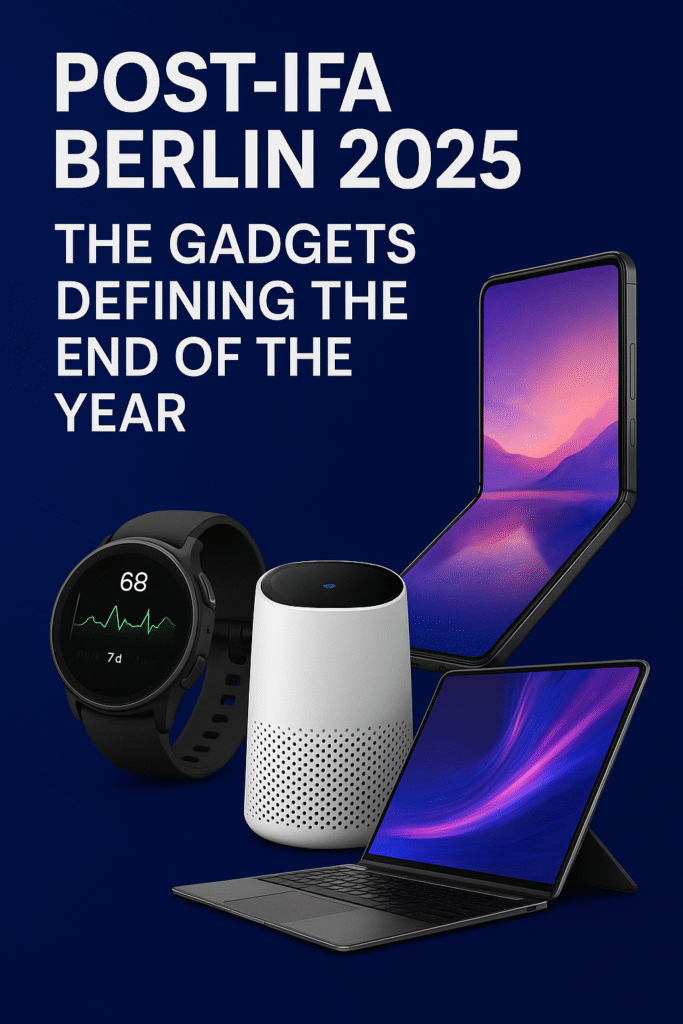
The Internationale Funkausstellung (IFA) in Berlin has always been a stage for groundbreaking innovations, and IFA 2025 was no exception. As one of the largest consumer electronics trade shows in the world, it sets the tone for the devices and technologies that will dominate the market heading into the holiday season and beyond.
This year’s event showcased a fusion of futuristic design and artificial intelligence integration, with brands competing to push the boundaries of how we interact with gadgets in our daily lives. From foldable devices and powerful wearables to AI-driven appliances and eco-friendly hardware, the takeaways from Berlin will define the hardware landscape as 2025 comes to a close.
In this article, we’ll explore the key post-IFA Berlin 2025 hardware trends and highlight the gadgets expected to shape consumer choices for the rest of the year.
1. Foldables Evolve Into Everyday Devices
Foldable phones and laptops are no longer niche experiments. At IFA 2025, nearly every major manufacturer presented second- and third-generation foldable hardware. The improvements were striking:
- Thinner hinges and crease-free displays that made folding seamless.
- Durability upgrades, with stronger glass composites and water resistance.
- Lower prices, as brands aim to make foldables a mainstream alternative to traditional smartphones and laptops.
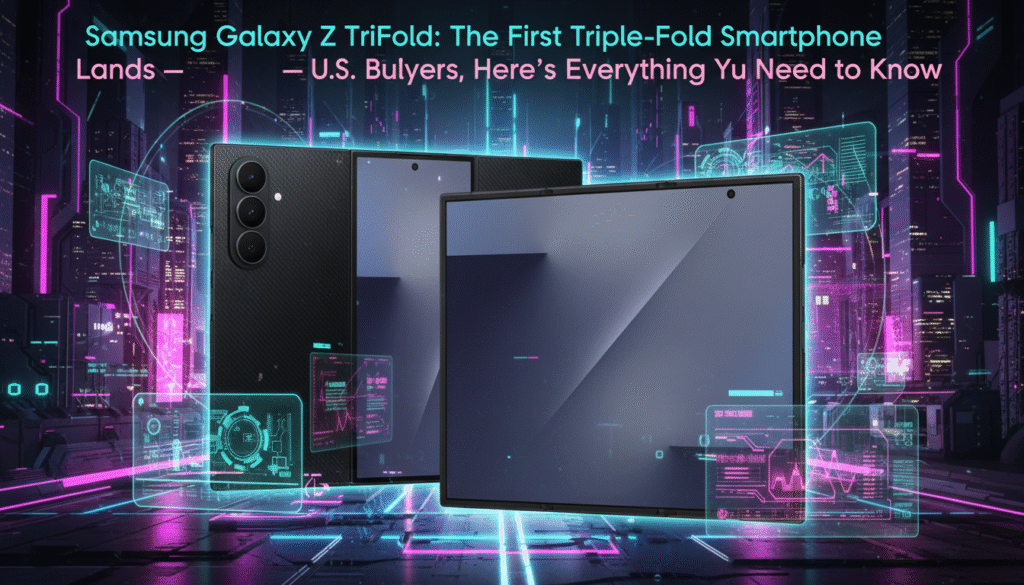
Samsung, Huawei, and even lesser-known European startups unveiled devices designed for both productivity and entertainment. Analysts expect foldables to be one of the hottest gadgets for the holiday season, especially as more models arrive at mid-range price points.
2. AI Integration Everywhere
If one theme stood above all, it was AI-powered hardware. From smartphones with built-in AI assistants that run offline to cameras capable of real-time editing, artificial intelligence has moved from cloud-based support to on-device performance.
Highlights included:
- AI laptops that learn user workflows and optimize battery use.
- Wearables with biometric AI analytics, capable of detecting stress, fatigue, and even predicting potential health issues.
- Smart home hubs with generative AI, making automation more intuitive and context-aware.
The shift toward local AI processing addresses privacy concerns while reducing latency, making these devices smarter, faster, and safer.
3. Wearables Take a Health-Centric Turn
Health tech was another dominant trend. Wearables are evolving from fitness trackers into comprehensive health monitoring systems. Devices unveiled at IFA 2025 included:
- Smart rings capable of continuous glucose monitoring.
- Next-gen earbuds (“earables”) measuring heart rate, oxygen levels, and stress through advanced sensors.
- AI-driven smartwatches that don’t just collect health data but provide actionable recommendations.
With increased accuracy and medical certifications, these wearables are being positioned as daily health companions rather than just workout accessories. Expect them to play a major role in consumer spending at the end of the year.
4. Smart Home Hardware Gets More Human
IFA 2025 also marked a new chapter in smart home devices. Instead of just voice commands and pre-programmed routines, this new generation is contextually aware.
Some examples include:
- AI-powered kitchen appliances that suggest meals based on the ingredients you own.
- Adaptive lighting systems that change not just based on time but also mood detection.
- Security cameras with real-time generative AI to differentiate between harmless events (a pet moving) and genuine threats.
This human-like adaptation makes smart homes more practical, secure, and user-friendly, which will accelerate adoption.
5. Sustainability as a Selling Point
Sustainability was more than a buzzword—it was a core hardware feature. Many devices launched at IFA 2025 were designed with eco-conscious materials, modular components, and energy-efficient chips.
Notable trends included:
- Repairable laptops with swappable batteries and parts.
- Phones made from recycled metals and plastics.
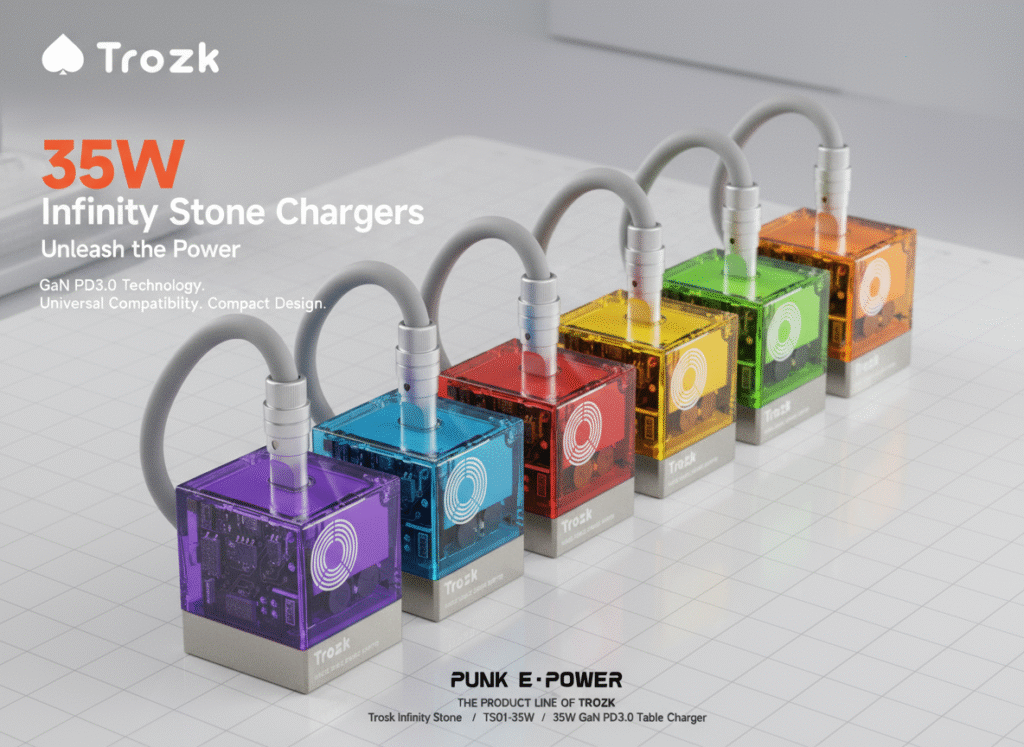
- Solar-powered accessories like chargers and portable speakers.
As consumers grow increasingly aware of climate concerns, these features will not only drive purchases but also influence brand loyalty.
6. Gaming and Immersive Tech
Gamers were not left out at IFA 2025. Several companies introduced next-gen handheld consoles and cloud-streaming devices designed to handle graphically intensive titles with minimal latency.
Additionally, mixed reality (MR) headsets gained traction with lighter designs and wider compatibility across ecosystems. These headsets promise to blend work and entertainment, making them highly appealing for hybrid lifestyles.
7. The Rise of Personal AI Companions
One of the most talked-about categories was the personal AI companion device. Unlike traditional smartphones or smart speakers, these are standalone gadgets designed to act as personal assistants.
They combine voice interaction, holographic projection, and AI reasoning, creating a more natural interface between humans and machines. While still in their early stages, these devices represent a new frontier in consumer electronics.
What This Means for Consumers and Brands
The post-IFA Berlin 2025 landscape makes it clear: hardware is no longer just about specifications; it’s about experience, intelligence, and sustainability. For consumers, this means a broader selection of gadgets that are smarter, more personalized, and environmentally conscious.
For brands, the challenge will be differentiation. With AI integration becoming standard, companies will need to emphasize unique experiences and ecosystem compatibility to stand out.
Final Thoughts
As we move toward the end of 2025, the gadgets unveiled at IFA Berlin will undoubtedly shape shopping trends, tech adoption, and lifestyle shifts. From foldables and AI-powered wearables to eco-friendly laptops and smart homes, the coming months will be defined by intelligent, adaptable, and sustainable hardware.If you’re planning your next tech purchase, keep an eye on these post-IFA Berlin trends—they’re not just fads; they’re the future of consumer electronics.