In 2025, the world of luxury smartwatches is evolving at a remarkable pace. For discerning buyers, it’s no longer just about a sleek case or premium brand—it’s about engineering excellence, materials that once were exclusive to aerospace or motorsport, and health monitoring systems that increasingly resemble mini medical labs on your wrist. In this article, we’ll explore three major trends shaping the high-end smartwatch space this year: space-grade materials, long-lasting batteries, and advanced medical sensors, backed by real examples and future outlooks.
The Shift to Space-Grade Materials
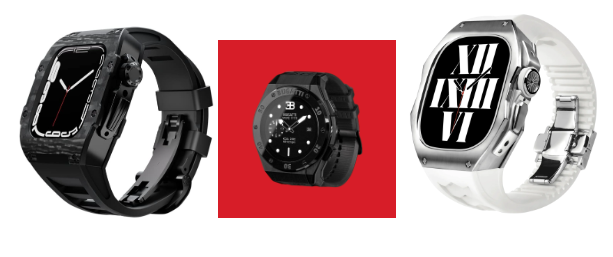
Luxury smartwatches in 2025 are placing heavy emphasis on materials once reserved for extreme environments—think aerospace, diving, or high-performance automotive. The benefits of these materials include durability, scratch resistance, lightweight feel, and a premium aesthetic.
Why “space-grade” matters
- Materials like titanium, ceramic, sapphire crystal, and even meteorite or carbon-composites are becoming more common in high-end smartwatch cases and bezels. This is driven by both durability and status. For example, analyses point to titanium and ceramic as key elements in luxury smartwatches aimed at style and tech-savvy users. LinkedIn+2shakarasquare.ng+2
- According to trend reports, watches in 2025 are incorporating meteorite dials, ceramic bezels, and exotic finishes, which reinforce the prestige factor of a luxury wearable. kairowatches.com+1
- The aesthetic cue is clear: instead of plastic or simple aluminum, we’re seeing brushed titanium, polished ceramic inserts, sapphire glass, and straps made from premium materials (leather, high-end rubber, metal links) that match the upscale case.
What this means for you
- A watch built with these materials will typically feel more substantial but also more refined—less “mass-market gadget” and more “timepiece with smarts”.
- While the tech inside matters (sensors, battery, connectivity), the casing materials now play a much larger role in luxury-positioning.
- When evaluating options, check for things like titanium grade, ceramic‐reinforcement, sapphire crystal hardness, and strap/bracelet interchangeability. These are markers of long-term quality and premium feel.
Battery Life & Power Strategy in 2025
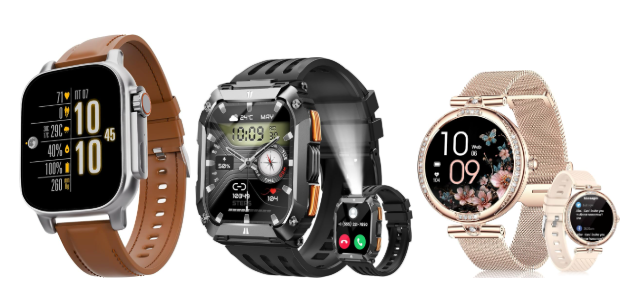
In luxury smartwatches, long battery life was once a secondary concern (after brand, finish and mechanical feel). But heading into 2025, one major differentiator is how long a device can stay on your wrist without needing frequent recharging.
Key developments
- Many luxury smartwatches are targeting multi-day battery life (3-7 days or more) rather than typical 1-2 day durations. For example, one list of “top-7 luxury smartwatches 2025” emphasizes watches offering up to 7 days of battery life. luxuriatimes.com
- According to an academic overview of AMOLED displays for wearables, one of the major bottlenecks is power consumption—and new ultra-low power display tech is helping extend battery life. arXiv
- Some luxury watches are also adopting hybrid modes: when full smartwatch features are not required, they switch to low-power analog displays or minimal sensor modes to stretch battery further (months in some cases). Trend commentary supports this in hybrid luxury-smartwatch designs. londondaily.news
Why this matters for you
- If you’re buying a luxury smartwatch, you want something that works like a watch, not a short-lived gadget you have to charge every night. Multi-day endurance aligns better with the expectations of premium timepieces.
- Consider how the manufacturer achieves this: Is it through a massive battery (which might mean a bulky case) or through power‐efficient architecture (which might be more refined)?
- Charging convenience also matters: Does it support fast charging, wireless, or unusual charging modes (solar, hybrid)? For luxury buyers, ease of use without compromise is key.
Advanced Medical Sensors & Wellness Intelligence
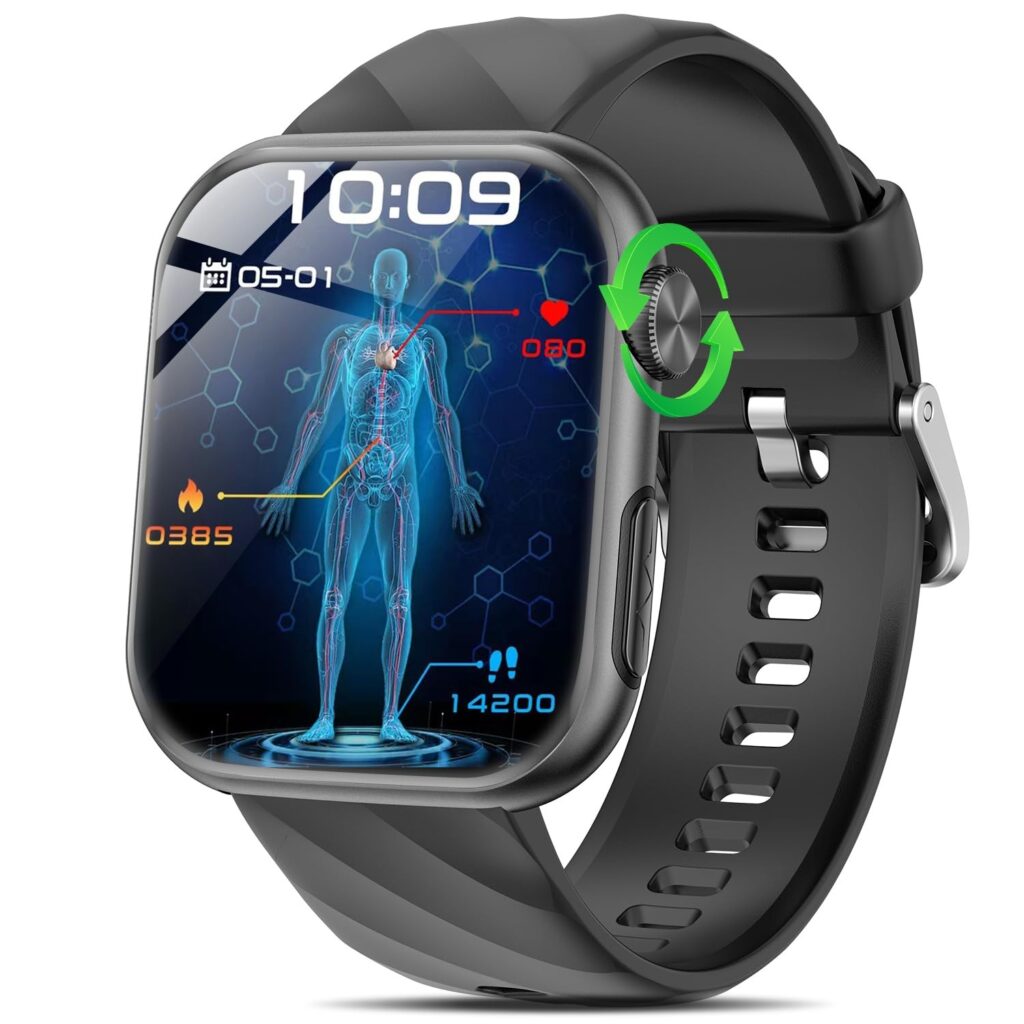
Perhaps the most compelling trend in luxury smartwatches for 2025 is the integration of medical-grade sensors, which elevate the wearable from accessory to wellness tool.
What’s new in 2025
- Smartwatches are now offering sophisticated sensors such as ECG (electrocardiogram), SpO₂ (blood oxygen), body temperature, stress level monitoring, and sometimes even more advanced metrics like carotenoid levels or circadian rhythm analysis. For instance, a report on CES 2025 predicted AI, health and luxury as key themes for wearables. Counterpoint Research
- Hybrid luxury smartwatches—those that merge analogue craftsmanship with smart features—are starting to include discreet health sensors without compromising their premium design. Trend coverage emphasises this dual identity. londondaily.news+1
- From a research perspective, on-device human activity recognition (HAR) is improving significantly, enabling smartwatches to interpret complex user behavior locally, enhancing health monitoring and privacy. arXiv
Choosing wisely
- If health tracking is important to you (and for many luxury buyers it is), look for verified sensors and features—ECG, SpO₂, temperature, stress tracking.
- Consider whether the smartwatch’s software supports meaningful insights, not just raw data. Good integration with a health app and clear presentation matter.
- Keep in mind what certification or regulatory clearance the sensor has—“luxury” branding alone doesn’t guarantee medical accuracy.
Spotlight on Premium Smartwatch Models
Here are some standout examples combining premium materials, strong battery life or advanced sensors. (Note: These are illustrative—always check updated specs for your region.)
Highlights:
- TAG Heuer Connected: A top-tier luxury smartwatch from a Swiss heritage brand, blending fine watchmaking and smart features.
- Samsung Galaxy Watch Ultra: Premium materials (titanium), advanced health features and strong design focus while retaining smart functionality.
- Apple Watch Ultra 2: Though Apple is less traditional in “luxury watchmaking,” this model offers premium materials, ecosystem integration, and strong health monitoring.
- Huawei Watch Ultimate: A luxury-oriented flagship from Huawei emphasising materials and health features.
- TAG Heuer Connected Calibre E4: Newer luxury smartwatch from TAG Heuer with upgraded battery life and refined materials.
- TAG Heuer Connected Modular 41: A variant emphasising modularity and premium build in a smaller 41 mm case.
- Smartwatch 2025 HD Watch 7 Amoled Ultra: A general “premium luxury smartwatch 2025” model highlighting AMOLED display and luxury finish.
- Smartwatch Premium 2025 Bluetooth Llamadas Amoled: Value-luxury segment, offering premium build and features at a lower cost – a good entry point.
What to Look For: Buyer’s Checklist
When evaluating luxury smartwatches in 2025, here’s a tailored checklist to help you decide:
- Material Quality: Case and bezel (titanium, ceramic, sapphire, meteorite), strap/bracelet options, finishing touches.
- Design Proportions: Thickness, lug to lug size, strap interchangeability, overall aesthetics – does it feel like a high-end watch or a gadget?
- Battery Life & Charging: Realistic multi-day endurance, support for fast or wireless charging, power-saving modes.
- Health/Wearable Sensors: ECG, SpO₂, temperature, stress monitoring, sleep tracking, and how well they’re integrated into the user experience.
- Smart Features & Software: App ecosystem (especially if using iOS and/or Android), software updates, usability of the companion app.
- Brand Heritage & Service: Luxury brands often offer better service, premium strap/bracelet options, and longer support which matter for premium purchases.
- Price vs Value: Since this is luxury segment, you’ll pay a premium—ensure you’re getting solid materials + tech + brand value, not just marketing.
- Compatibility & Longevity: Ensure the watch supports your smartphone (iOS/Android), and check how many years of updates the brand commits to.
Final Thoughts & Looking Ahead
Luxury smartwatches in 2025 are representing a fusion of craftsmanship and cutting-edge tech. No longer is the smartwatch purely about connectivity; for the upscale buyer it is about materials with story, battery endurance that matches expectations of a luxury timepiece, and health sensors that go beyond basic step‐counting.
Looking ahead, we can expect even more refinement: custom materials (e.g., aerospace composites, new ceramics), integrated modular smart-components (e.g., swap-in battery modules or sensor modules), and wellness intelligence supported by AI driving deeper insights into user health.
If you’re considering a luxury smartwatch in 2025, you’re not just buying “smartwatch features”—you’re investing in a wrist-worn piece of technology that doubles as high-end watchmaking, wellness monitor and lifestyle statement. Choose wisely, ensure the build quality matches your expectations, and make sure the tech inside supports your long-term use.